CD Genomics Blog

banner

CD Genomics Blog

Thank you for visiting the CD Genomics Blog! Here, you will find articles on the latest advances in sequencing technology, biotech research developments, and technical introductions. Our blog helps researchers and professionals deepen their understanding and stay updated on industry trends.

We also share company news, offer insights into daily life at CD Genomics, and provide resources to enhance your knowledge in sequencing and genomics.

Plasmid Fact Sheet: Definition, Structure and Application

Plasmid Fact Sheet: Definition, Structure and Application

What is a plasmid? Plasmids are the small circular or linear double-stranded DNA molecules (ranging from a few to several hundred kilobases) found in bacterial cells but also present naturally in archeae and eukaryotes. The plasmids are not packaged inside a chromosome, and have no distinct 5’ or 3’ beginning or end. They can autonomously […]

Introduction to DNA Microarray Technology

Introduction to DNA Microarray Technology

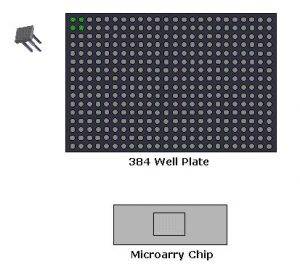
What is a DNA Microarray? Microarray is a common laboratory tool for detecting gene expression or gene mutations in a high throughput manner. These slides are also known as gene chips or DNA chips. Thousands of probes (with known identity) are immobilized on a microscope slides or silicon chips or nylon membrane, with thousands of […]

What Is DNA Methylation

What Is DNA Methylation

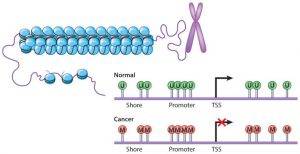
Not all genes are active at all times. DNA methylation is a common epigenetic modification used by cells to regulate gene expression. In recent decades, researchers have discovered that methylation is involved in many cellular processes, including genomic imprinting, embryonic development, gene suppression, carcinogenesis, X-chromosome inactivation, and preservation of chromosome stability. And abnormal DNA methylation […]

Fact Sheet: Genome, DNA, RNA

Fact Sheet: Genome, DNA, RNA

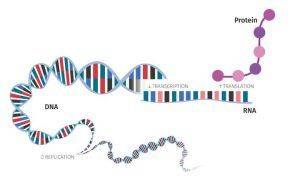
What is a genome? A genome is the complete set of DNA (or RNA in RNA viruses) of an organism. It is sufficient to build and maintain that organism. Each nucleated cell in the body contains this same set of genetic material. In humans, a copy of the entire genome consists of more than 3 […]

Microbial Genomics Approaches to Promote Crop Yield

Microbial Genomics Approaches to Promote Crop Yield

The importance of microbiology in crop yield Plants, bacteria, and fungi have coexisted in soil in a symbiosis for millions of years, and they both benefit greatly from symbiosis. Healthy microbial communities perform a variety of vital ecosystem functions, such as pathogen suppression and regulation of nutrient availability. For example, microorganisms make essential elements such […]

A Summary of Microbial Research in Animals

A Summary of Microbial Research in Animals

Why do we need to perform microbial research in animals? Enormous amounts of microorganisms live both within and on animal, the animal and its microorganisms exchange energy substances, transmit information to each other and form a holistic system. The impact of microorganisms on animal health is mainly reflected in mutual benefit sharing and symbiosis. If […]

18S rRNA and Its Use in Fungal Diversity Analysis

18S rRNA and Its Use in Fungal Diversity Analysis

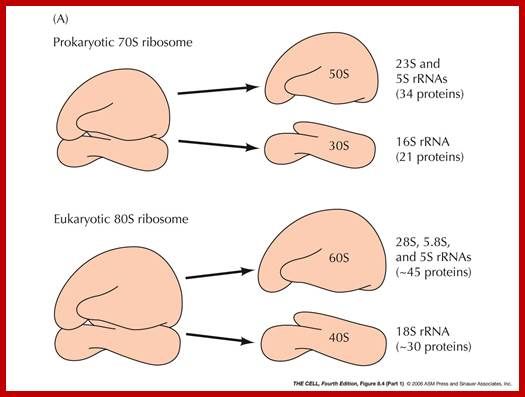
What is 18S rRNA? 18S ribosomal RNA (18S rRNA) is a component of the small eukaryotic ribosomal subunit (40S), and 40S and 60S constitute eukaryotic ribosomes. As a structural RNA for eukaryotic ribosomes, 18S rRNA, the homologue of 16S rRNA in prokaryotes and mitochondria, is thus one of the essential components of all eukaryotic cells. […]

Evolutionary Factors Have Stronger Influence on Gut Microbiome than Diet Patterns

Evolutionary Factors Have Stronger Influence on Gut Microbiome than Diet Patterns

As we all know that gut microbes provide multiple services to host, including digestion. Mammals with special diets, such as carnivores and anteaters, have special gut microorganisms to make it possible for them to eat such food. A common theme in the microbiome field is that the host diet has a significant impact on their […]

Basic Facts about Microsatellite Genotyping—Introduction to Microsatellites

Basic Facts about Microsatellite Genotyping—Introduction to Microsatellites

Microsatellites, also known as simple tandem repeats (STRs), are simple repeat sequences distributing in eukaryotic genomes, which are composed of 2 ~ 6 nucleotide tandem repeats. The repeating times in individual are variable, therefore, the application of microsatellite markers is very extensive. Microsatellite loci is usually amplified by PCR. PCR products are analyzed by electrophoresis […]

Genomics—Forensic Age Identification

Genomics—Forensic Age Identification

Summary: a DNA methylation age inference method, combined with Sequenom MassARRAY technology, can reduce the error of the age to 4.7 years. Age estimation is one of the most important topics in the field of forensic medicine. Especially for juvenile delinquency, highly corrupt bones of the dead and nameless corpse, it can provide the scope […]

Copyright © CD Genomics. All rights reserved.
Share
Top