Blog Archives

The Ribosomal Paradigm: Structural Complexity, Regulatory Heterogeneity, and Advanced RNA-Seq Strategies

The Ribosomal Paradigm: Structural Complexity, Regulatory Heterogeneity, and Advanced RNA-Seq Strategies

Ribosomal RNA has long been described as the stable scaffold of the translation apparatus. That description is not wrong, but it is no longer enough. In modern molecular biology, rRNA sits at the center of two conversations. The first is mechanistic. rRNA is the structural and catalytic heart of the ribosome. The second is methodological. […]

Beyond the Coding Sequence: Spatiotemporal Splicing Dynamics and the Architecture of Eukaryotic Complexity

Beyond the Coding Sequence: Spatiotemporal Splicing Dynamics and the Architecture of Eukaryotic Complexity

Meta Intent: An expert-level discussion of how the interrupted structure of eukaryotic genes creates a programmable layer of transcript control, proteomic diversity, and sequencing-strategy complexity in research systems. Introduction Most explanations of introns and exons begin with a clean binary. Exons are retained. Introns are removed. The spliceosome performs the cut-and-join reaction. That description is […]

More than a Scaffold: The Evolving Role of Ribosomal RNA (rRNA) in Translational Regulation

More than a Scaffold: The Evolving Role of Ribosomal RNA (rRNA) in Translational Regulation

Meta intent: This article reframes ribosomal RNA as both a regulatory layer in translation and the dominant technical bottleneck in precision RNA-seq. Ribosomal RNA has long been trapped in two incomplete definitions. In basic molecular biology, it is introduced as the structural core of the ribosome. In sequencing workflows, it is treated as background that […]

Role of Non-coding RNAs in Gene Regulation

Role of Non-coding RNAs in Gene Regulation

Non-coding RNA (ncRNA) is a type of RNA molecule that does not have the ability to encode proteins and plays a vital role in gene regulatory networks. In the past, people believed that the main function of RNA was to serve as a bridge for information transmission between DNA and protein, but with the deepening […]

Transcription in Eukaryotes vs. Prokaryotes: Initiation, Regulation, and Processing

Transcription in Eukaryotes vs. Prokaryotes: Initiation, Regulation, and Processing

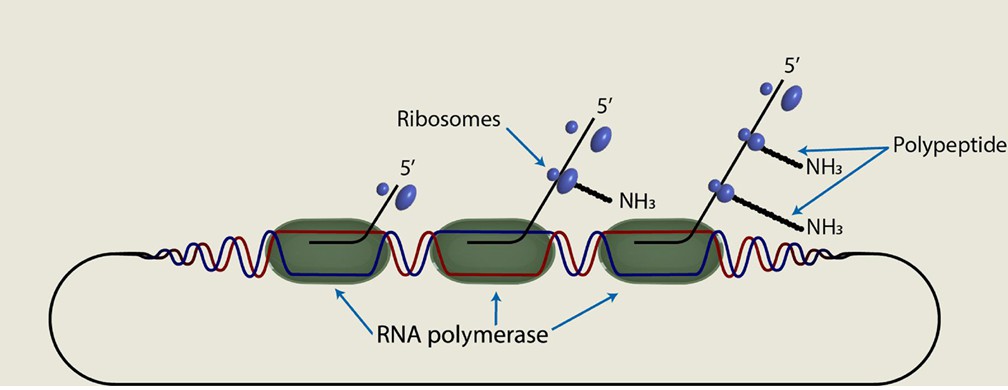
In biology science, transcription is the core biological process of transforming DNA genetic information into RNA and is the key link of gene expression regulation. Although both eukaryotes and prokaryotes rely on transcription to realize the transmission and expression of genetic information, due to the significant differences in cell structure, metabolic needs, and survival strategies, […]

From Mechanism to Medicine: Understanding Eukaryotic Transcription Errors, Diseases and Treatments

From Mechanism to Medicine: Understanding Eukaryotic Transcription Errors, Diseases and Treatments

Eukaryotic transcription is a key initial step of gene expression, and its precise regulation is important for maintaining cell homeostasis and normal physiological functions of organisms. In recent years, more and more studies show that the disorder of the transcription process is closely related to the occurrence and development of many human diseases. An in-depth […]

Eukaryotic Transcription: Key Stages, Regulatory Mechanisms, Products, and Significance

Eukaryotic Transcription: Key Stages, Regulatory Mechanisms, Products, and Significance

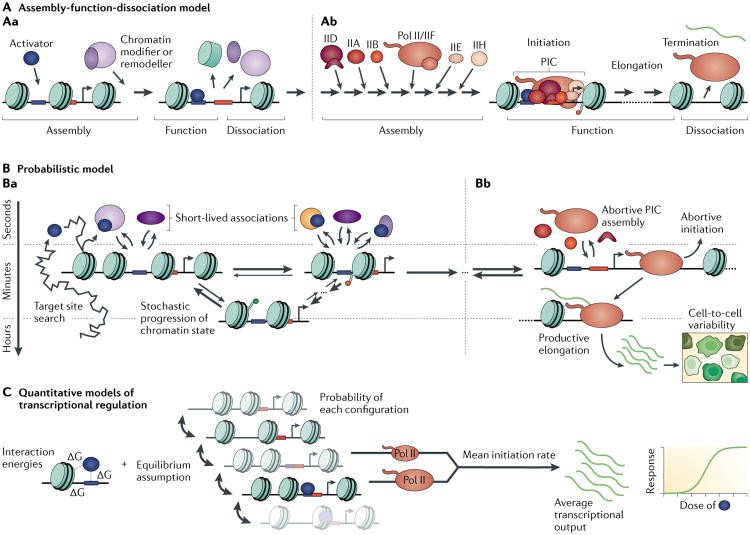
Eukaryotic transcription is a key initial step of gene expression, which occupies a core position in the central rule. It uses DNA as a template to synthesize various RNA molecules by RNA polymerase. Its regulatory network is fine and complex, and it is widely involved in life activities such as embryonic development, cell differentiation, and […]

Reverse Transcription: An In-Depth Exploration of Structure, Function and Application

Reverse Transcription: An In-Depth Exploration of Structure, Function and Application

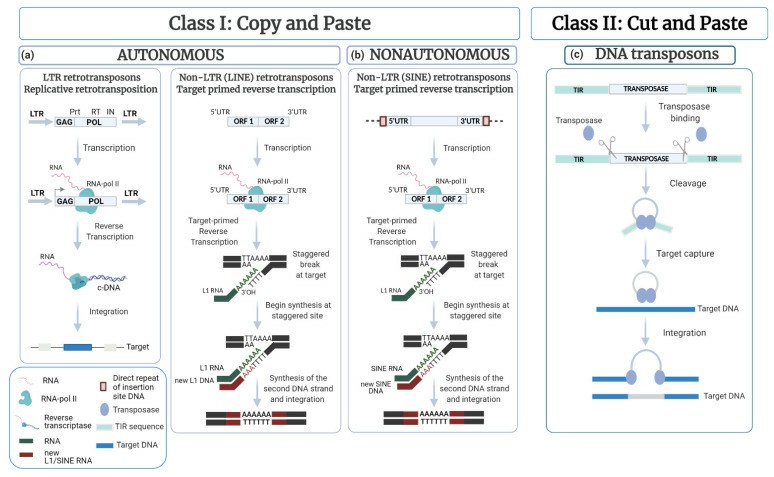
As a key phenomenon in the field of molecular biology, reverse transcription subverts the traditional "central rule" cognition and greatly expands people’s understanding of the law of genetic information transmission. This process refers to the process of synthesizing DNA with RNA as a template under the catalysis of reverse transcriptase, which breaks the one-way flow […]

Exploring cDNA: Introduction, Synthesis, gDNA Comparison, and Overcoming Challenges

Exploring cDNA: Introduction, Synthesis, gDNA Comparison, and Overcoming Challenges

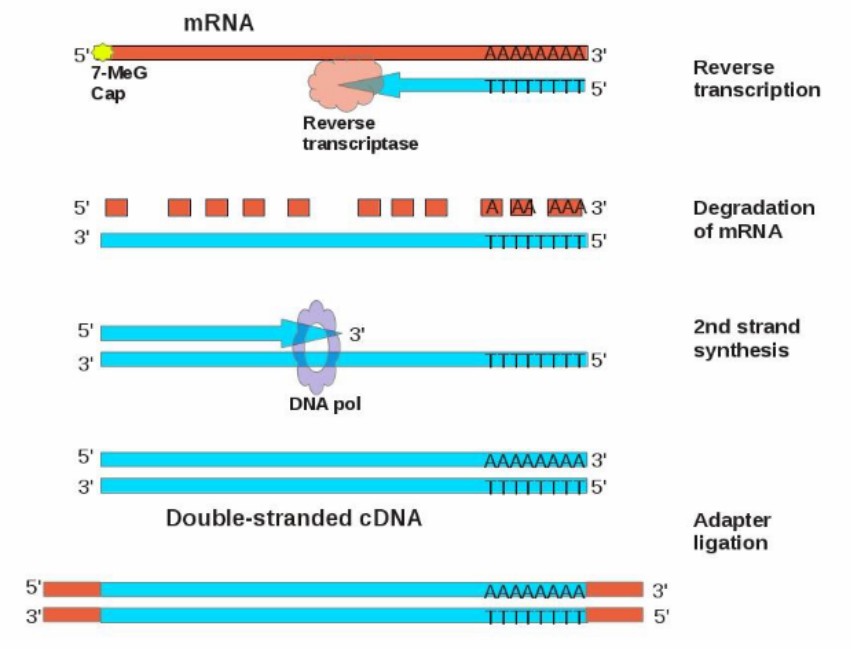
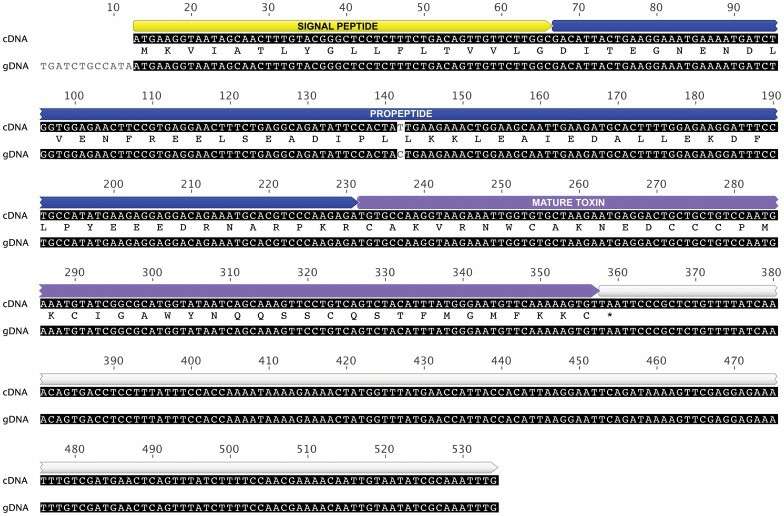
In the field of modern biology science, the continuous innovation of molecular biology technology promotes the exploration of gene function and regulation mechanism. As a synthetic DNA sequence, complementary DNA (cDNA) originated from the reverse transcription process of messenger RNA (mRNA), and has played an indispensable core role in many frontier research fields such as […]

cDNA vs. gDNA: Structure, Function, Biotech Apps, and Why Choose cDNA

cDNA vs. gDNA: Structure, Function, Biotech Apps, and Why Choose cDNA

In the field of molecular biology, complementary DNA (cDNA) and genomic DNA (gDNA) are two crucial concepts, which play a key role in life science research, biotechnology application and many other aspects. Although both of them are related to the transmission and interpretation of genetic information, there are significant differences in structure, function and acquisition […]

Copyright © CD Genomics. All rights reserved.
Share
Top