

 Sample Submission Guidelines
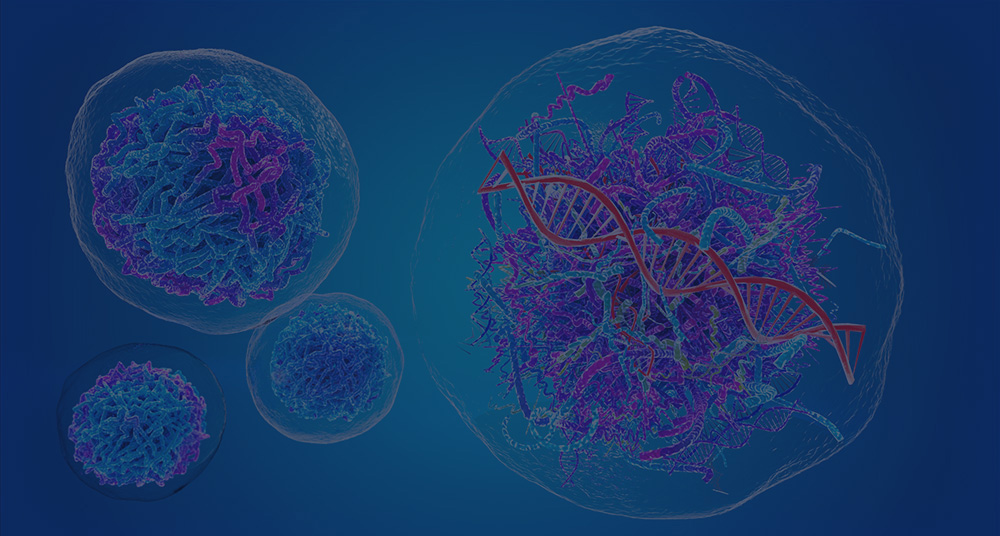

The landscape of genomic engineering has evolved far beyond the simple disruption of genes. In the early days of CRISPR-Cas9, researchers were primarily concerned with generating simple insertion/deletion (indel) mutations via Non-Homologous End Joining (NHEJ) to knock out gene function. Today, the frontier of genome editing—driven by advanced modalities like Prime Editing, Base Editing, and large-scale Homology-Directed Repair (HDR)—demands the precise integration of massive therapeutic payloads, spanning thousands of base pairs, directly into the human genome.
However, as our editing tools have grown exponentially more sophisticated, our primary method of validating these edits has catastrophically lagged behind. For a decade, the industrial standard for CRISPR validation has been short-read amplicon sequencing (primarily Illumina platforms) analyzed by powerful bioinformatics pipelines like CRISPResso2. This paradigm creates a dangerous “Illusion of Precision.” While short reads are exceptionally accurate at detecting a 1 or 2 base pair frameshift exactly at the Cas9 cut site, they are fundamentally blind to large-scale, disastrous structural variations (SVs) occurring just outside their narrow field of view. To guarantee the safety of next-generation Cell and Gene Therapies (CGT), the field must pivot to Third-Generation Long-Read sequencing. Yet, analyzing long-read data introduces massive computational headaches. Enter CRISPRLungo: a revolutionary bioinformatics framework designed specifically to extract absolute truth from noisy long-read CRISPR datasets.

Figure 1: The Illusion of Short-Read CRISPR Validation
The Blind Spot of Short-Read Sequencing: PCR Bias and Structural Blindness
To understand why a new computational tool like CRISPRLungo is strictly necessary, one must first deconstruct the mechanical failure points of traditional short-read sequencing when applied to CRISPR validation.
The Mechanics of PCR Dropout
When preparing a sample for Illumina amplicon sequencing, researchers design PCR primers to flank the Cas9 cut site, typically generating a short DNA fragment between 200 and 300 base pairs. This works perfectly if the CRISPR edit is a minor 5-base-pair deletion. However, double-strand breaks (DSBs) induced by Cas9 frequently trigger massive, unintended genomic deletions spanning thousands of base pairs.
If Cas9 induces a 2,000 base pair deletion at the target locus, the physical genomic sequence where the PCR primers were designed to bind is literally erased from the chromosome. During the library preparation phase, these massively deleted alleles will absolutely fail to amplify—a phenomenon known as PCR Dropout or allele dropout. Because they do not amplify, they are never sequenced. The resulting short-read sequencing report will proudly declare that the editing was highly precise, completely missing the fact that 30% of the cells suffered catastrophic, megabase-scale chromosomal truncations.
Alignment Hallucinations in Complex Rearrangements
Even if researchers attempt to use slightly longer amplicons, standard short-read alignment algorithms (such as BWA-MEM or Bowtie2) are mathematically unequipped to handle complex structural editing. When Cas9 cuts the DNA, the free ends can flip before repairing, resulting in large chromosomal inversions. They can also mistakenly ligate to a completely different chromosome, causing severe translocations.
When a short 150bp Illumina read originates from the exact breakpoint of an inversion, half of the read matches the forward strand, and the other half matches the reverse strand. Standard short-read aligners will view this violently disjointed read and flag it as a low-quality, unmapped artifact, instantly discarding it into the bioinformatic trash bin. The algorithm literally hallucinates away the danger. The final output file will show high “wild-type” rates, utterly failing to warn the researcher that the CRISPR edit caused a highly oncogenic chromosomal rearrangement.
Enter CRISPRLungo: Taming the Noise of Third-Generation Sequencing
The obvious biological solution to short-read blindness is to transition to Third-Generation Long-Read sequencing platforms, primarily Oxford Nanopore Technologies (ONT) and PacBio (Pacific Biosciences). By generating continuous sequencing reads that span 10,000 base pairs (10kb) or more, researchers can easily encompass the entire genomic context, effortlessly reading completely through massive deletions, massive HDR integrations, and sprawling inversions.
However, long reads introduce a devastating bioinformatic paradox: The Noise Problem. While long-read platforms provide vast structural context, their intrinsic per-base error rates are significantly higher than Illumina. Oxford Nanopore, in particular, struggles massively with homopolymer regions (stretches of the same nucleotide, like AAAAAAA), frequently inserting or deleting a base as a purely technical artifact.
If your goal is to determine if a CRISPR editor caused a 1 base-pair frameshift deletion, how can you possibly trust an ONT read, knowing the sequencer itself might have artificially deleted that exact base? This is the exact computational bottleneck that CRISPRLungo was engineered to obliterate.
UMI-Based Consensus Building: Mathematical Noise Erasure
CRISPRLungo solves the high error rate of long reads not by improving the sequencer chemistry, but through brilliant algorithmic design based on Unique Molecular Identifiers (UMIs). During the very first step of library preparation, before any PCR amplification occurs, a randomized, unique barcode (the UMI) is physically ligated to every single individual DNA molecule extracted from the edited cells.
During PCR amplification, that original DNA molecule is copied hundreds of times, and every single copy inherits the exact same UMI. When the sample is finally sequenced on the Oxford Nanopore platform, CRISPRLungo analyzes the data by first sorting all the noisy reads into “bins” based on their UMI barcode. If CRISPRLungo finds 500 reads that all possess “UMI-Barcode-X”, it knows with absolute certainty that all 500 reads originated from the exact same physical DNA molecule in the original cell.
The algorithm then performs a sophisticated Multiple Sequence Alignment (MSA) on those 500 reads. Because sequencing errors are fundamentally random, a machine error at base position 42 will only appear in a few of the reads. However, a true biological CRISPR edit at base position 42 will appear in 100% of the reads in that bin. By mathematically collapsing those 500 noisy reads into a single Consensus Sequence, CRISPRLungo statistically erases the random sequencer noise. The resulting Consensus Read achieves an accuracy rivaling or even exceeding Illumina short reads, allowing researchers to confidently detect a 1-base-pair CRISPR edit while simultaneously maintaining the 10,000-base-pair structural context of a long read.

Figure 2: CRISPRLungo UMI-Based Consensus Algorithm
Revealing the Hidden Genomic Scars: Large Deletions and Complex Rearrangements
Armed with highly accurate, noise-filtered long reads, CRISPRLungo shatters the narrow +/- 20bp analysis window utilized by traditional CRISPR bioinformatics tools. CRISPRLungo aligns the full-length consensus amplicons directly to the reference genome, dynamically scanning for massive topological disruptions.
Quantifying Massive On-Target Deletions
When analyzing primary T-cells edited for CAR-T therapy, researchers frequently encounter significant cellular toxicity. Standard short-read analysis will show 80% perfect on-target editing, leaving the toxicity unexplained. By running the exact same sample through CRISPRLungo on an ONT platform, the true picture emerges: the algorithm explicitly identifies and quantifies that 15% of the edited cells suffered asymmetric, 3kb deletions extending far upstream of the promoter region, functionally crippling adjacent essential genes. CRISPRLungo visually reports these massive deletions in intuitive stacked-read alignment plots, ensuring researchers cannot ignore catastrophic on-target damage.
Tracking AAV and Plasmid Integration Events
For therapies relying on Homology-Directed Repair (HDR), the therapeutic DNA payload is often delivered via Adeno-Associated Virus (AAV) vectors or massive circular plasmids. A known, yet historically invisible danger of CRISPR editing is the unintended, non-homologous integration of the entire viral backbone or plasmid directly into the Cas9 cut site.
Short reads simply cannot span the junction of a massive 5kb AAV vector integration. CRISPRLungo, leveraging the power of long reads, effortlessly maps these events. The algorithm specifically flags chimeric reads where half the sequence aligns to the human target chromosome and the other half aligns to the provided sequence of the AAV backbone. For developers navigating strict FDA guidelines for advanced Whole Genome Sequencing and targeted gene therapy approvals, CRISPRLungo’s ability to definitively quantify viral integration rates is an absolute regulatory necessity.

Figure 3: Detecting Large Deletions and Viral Integrations with Long Reads
Allele-Resolved Reporting: Conquering Pseudogenes and Heterozygosity
Perhaps the most sophisticated capability of CRISPRLungo is its ability to perform perfect Allele-Resolved Phasing. In human genetics, resolving which specific allele (maternal or paternal) was edited is often a matter of preclinical survival. This is especially true when treating compound heterozygous conditions, where the research subjects possesses a different, distinct mutation on each allele.
The Homology Dilemma: The SBDS Case Study
The developers of CRISPRLungo demonstrated its absolute superiority using a highly complex preclinical case study involving the SBDS gene (implicated in Shwachman-Bodian-Diamond syndrome). The human genome contains the functional SBDS gene, but it also contains a highly homologous pseudogene called SBDSP1, located nearby. The sequence of the pseudogene is 97% identical to the functional gene.
When researchers attempt to edit the functional SBDS gene, they face a bioinformatic nightmare. Because the sequences are nearly identical, short 150bp Illumina reads generated from the edited cells cannot be uniquely assigned. The short-read aligner becomes desperately confused, randomly mixing reads originating from the functional SBDS gene with background reads originating from the unedited SBDSP1 pseudogene. This “Mismapping” completely pollutes the data, causing the CRISPResso2 report to drastically underestimate the true editing efficiency because the denominator is flooded with unedited pseudogene reads.
Long-Read Phasing via Distant SNPs
CRISPRLungo completely bypasses this homology dilemma. Because it utilizes reads spanning thousands of base pairs, the algorithm does not just look at the Cas9 cut site; it looks far upstream and downstream. While the functional gene and the pseudogene are 97% identical, they possess unique, specific Single Nucleotide Polymorphisms (SNPs) located 2,000 base pairs away from the cut site.
CRISPRLungo uses these distant SNPs as definitive, physical anchor points. It reads the long strand of DNA, identifies the unique SNP verifying that the molecule is definitively the functional SBDS gene (and not the pseudogene), and then traces that exact same molecule all the way back to the Cas9 cut site to evaluate the edit.
This process, known as Phasing, allows CRISPRLungo to perfectly segregate the data. It can independently report: “The maternal allele achieved 85% HDR efficiency. The paternal allele achieved 10% NHEJ. The pseudogene experienced zero off-target editing.” This level of absolute, allele-specific resolution is mathematically impossible with traditional short-read platforms.

Figure 4: Allele-Resolved Phasing and Pseudogene Deconvolution
Democratizing Advanced Bioinformatics: The WebAssembly Advantage
Historically, the deployment of advanced long-read bioinformatics pipelines required substantial computational expertise. Researchers were forced to navigate complex Linux command lines, build fragile Conda environments, resolve Python dependency conflicts, and secure access to high-performance computing (HPC) clusters. This technical barrier locked many bench scientists out of long-read analysis.
The developers of CRISPRLungo have completely democratized this technology by engineering the platform as a fully client-side WebAssembly (Wasm) application. WebAssembly allows high-performance, lower-level programming languages (like C++ or Rust) to execute directly inside a standard web browser (like Google Chrome or Safari) at near-native speeds.
Absolute Data Privacy for Translational Medicine
This architectural choice is not just about convenience; it fundamentally solves a massive regulatory hurdle for translational medicine. When utilizing standard web-based bioinformatics tools (like the cloud version of CRISPResso), researchers must upload their raw genomic FASTQ files to an external, third-party server. When dealing with proprietary biopharma drug targets or highly sensitive, identifiable human translational studies data, uploading sequences to a public cloud is often a strict violation of HIPAA compliance or corporate data governance policies.
Because CRISPRLungo is a WebAssembly application, no data ever leaves the researcher’s computer. The researcher navigates to the CRISPRLungo website, and the entire computational engine is downloaded directly into their browser’s cache. When the researcher selects their massive FASTQ files, the UMI error correction, the long-read MSA alignments, and the complex structural variant quantification are all executed entirely within the local RAM of the user’s laptop or workstation.
This ensures absolute, uncompromising data privacy. The proprietary genomic sequences never cross the institutional firewall. By merging the extreme analytical power of long-read structural variant detection with the frictionless, secure deployment of a WebAssembly frontend, CRISPRLungo sets a new gold standard for translational CRISPR validation, ensuring that researchers can finally uncover the total biological truth of their genomic engineering.

Figure 5: The WebAssembly Architecture of CRISPRLungo
The Mathematical Rigor of Multiple Sequence Alignment (MSA) in CRISPRLungo
To truly grasp the revolutionary nature of CRISPRLungo, one must delve into the mathematical engine driving its UMI-based consensus building: the Multiple Sequence Alignment (MSA). Standard short-read aligners utilize heuristic algorithms like the Burrows-Wheeler Transform (BWT) to rapidly map reads to a reference. However, BWT-based aligners aggressively penalize gaps, making them catastrophically unsuited for Oxford Nanopore reads, which are naturally riddled with insertion and deletion (indel) errors due to the biophysics of motor proteins pulling DNA through a nanopore.
CRISPRLungo Abandons simple heuristic mapping when constructing its consensus. Instead, it deploys a computationally heavy, mathematically rigorous dynamic programming approach (akin to the Needleman-Wunsch or Smith-Waterman algorithms) adapted specifically for UMI-binned long reads. Once all the reads sharing a specific UMI barcode are grouped together (representing a single original DNA molecule), CRISPRLungo aligns them not to the human reference genome, but to each other. This is a critical distinction.
By executing an MSA across 100 noisy reads originating from the same molecule, the algorithm generates a positional probability matrix. At base position 1500, read #1 might show an ‘A’, read #2 might show a deletion, and read #3 might show a ‘C’. But the remaining 97 reads all cleanly display a ‘G’. The algorithm utilizes Bayesian statistical models to calculate the posterior probability of the true nucleotide, effectively neutralizing the stochastic sequencing noise. The final output is a single Consensus Read that achieves Phred quality scores (Q-scores) exceeding Q30 (99.9% accuracy), a level of fidelity previously thought impossible for raw long-read data. Only after this pristine consensus is built does CRISPRLungo finally align the sequence to the human reference genome to evaluate the CRISPR edit.
Deconstructing the Toxicity of Large Deletions in Cell Therapies
The ability of CRISPRLungo to seamlessly detect and quantify massive on-target deletions is not merely an academic exercise; it is a critical safety requirement for the future of Cell and Gene Therapies (CGT). When engineering CAR-T cells (Chimeric Antigen Receptor T-cells) for oncology, researchers frequently multiplex CRISPR guides to simultaneously knock out the endogenous T-Cell Receptor (TRAC locus) and immune checkpoints like PD-1 (PDCD1 locus).
While the intended edits are simple frameshifts, the concurrent introduction of multiple double-strand breaks (DSBs) destabilizes the genome. A single cut at the TRAC locus can, unpredictably, result in a continuous deletion extending 4,000 base pairs upstream. If this massive deletion inadvertently destroys the promoter of an adjacent, essential housekeeping gene, or disrupts a tumor-suppressor locus, the engineered T-cell becomes either apoptotically inviable or, far worse, oncogenically transformed.
Standard amplicon sequencing completely misses this 4,000 bp deletion because the PCR primers, designed to flank a tight 250 bp window around the cut site, have absolutely nothing to bind to. The massively deleted allele simply “drops out” of the PCR reaction. The resulting Illumina data will falsely report that 100% of the sequenced alleles are either wild-type or perfectly edited. CRISPRLungo, processing unamplified (or long-range amplified) nanopore reads, forces researchers to confront this hidden toxicity, providing explicit, quantifiable metrics on the exact percentage of cells suffering from megabase-scale genomic collapse.
FDA Compliance and the AAV Integration Crisis
The regulatory landscape for genomic engineering is rapidly tightening. Following several high-profile preclinical holds by the FDA regarding unintended chromosomal abnormalities in edited stem cells, regulatory bodies now explicitly mandate the exhaustive characterization of structural off-target and on-target events.
One of the most dangerous, and historically elusive, events is the unintended integration of the delivery vehicle itself. When researchers use Adeno-Associated Viruses (AAV) to deliver the Homology-Directed Repair (HDR) template, the linear AAV genome (approximately 4.7kb) physically floods the nucleus. The Cas9 enzyme cuts the target locus, creating a sticky double-strand break. Instead of utilizing the provided HDR template to elegantly rewrite the gene, the cellular DNA repair machinery (NHEJ) will frequently panic and simply stuff the entire 4.7kb AAV viral genome directly into the cut site to patch the hole.
This is a catastrophic preclinical event. It inserts strong viral promoters directly into the human genome, which can easily transactivate nearby oncogenes (insertional mutagenesis). Again, short-read sequencing is physically blind to this. A 150bp read cannot span the junction of a 4.7kb viral insertion. CRISPRLungo, however, thrives here. By aligning the 10kb consensus reads simultaneously to the human genome and the AAV viral genome, CRISPRLungo flags chimeric reads that abruptly switch from human sequence to viral sequence exactly at the Cas9 cut site, providing regulators with the absolute, mathematically proven integration rate required for IND (Investigational New Drug) clearance.
The Computational Architecture of Client-Side WebAssembly
Beyond its unparalleled algorithmic superiority in structural variant detection, CRISPRLungo represents a paradigm shift in how advanced bioinformatics is delivered to bench scientists. The traditional model for deploying heavy computational tools involves complex Linux environments, Python dependency hell (managing conflicting versions of NumPy, SciPy, and Biopython), and the requirement for robust institutional HPC clusters.
The developers of CRISPRLungo executed a masterstroke by compiling their entire C++ alignment and consensus engine into WebAssembly (Wasm). WebAssembly is a low-level binary instruction format that runs within a sandboxed execution environment inside modern web browsers (Chrome, Edge, Safari). It allows computationally brutal tasks—like performing Needleman-Wunsch alignments on gigabytes of long-read FASTQ files—to execute at near-native CPU speeds directly inside the browser tab.
When a researcher navigates to the CRISPRLungo web portal, the entire application (only a few megabytes in size) is downloaded into their browser’s cache. When they load their 10GB Oxford Nanopore data file, the file is never uploaded to the internet. The Wasm engine reads the file directly from the local hard drive into the local RAM, performs the massive UMI collapsing and structural variant deconvolution, and renders the interactive alignment plots entirely on the client side.
This decentralized, client-side execution model completely bypasses the massive bottleneck of uploading terabytes of sequencing data to cloud servers. Furthermore, it permanently solves the nightmare of data privacy and HIPAA compliance; because the genomic sequences never leave the physical laptop, researchers can instantly analyze highly sensitive, proprietary translational studies data without triggering institutional security audits. CRISPRLungo is not just a better algorithm; it is a fundamentally superior software architecture for the future of decentralized, secure translational genomics.
The Concatemer Catastrophe: AAV Vector Chaining
While standard AAV viral integration is a known danger, long-read sequencing has uncovered an even more insidious structural nightmare: Vector Concatemerization. When the massive concentration of AAV plasmids enters the target cell’s nucleus during a CRISPR HDR experiment, the plasmids do not always remain as single, isolated units. Through complex cellular DNA repair mechanisms, the linear viral vectors frequently fuse end-to-end (head-to-tail or head-to-head), forming massive, repetitive chains called concatemers.
When the Cas9 enzyme creates a double-strand break at the target locus, the cell’s desperate NHEJ machinery might grab one of these massive concatemers and stuff it into the cut site. Instead of a single 4.7kb insertion, the cell suddenly suffers a 20kb or 30kb insertion composed of five repetitive AAV genomes linked together. This massive insertion completely shatters the local chromatin architecture, often silencing massive genomic domains far beyond the immediate insertion site (topologically associating domain disruption).
Short-read sequencing is computationally paralyzed by concatemers. Because the reads are only 150bp long, and the concatemer is perfectly repetitive, the aligner cannot map the reads to a specific copy within the chain. It will simply collapse the entire massive chain into a single, falsely reported 4.7kb insertion, entirely hiding the true scale of the genomic disaster. CRISPRLungo, utilizing Nanopore reads that routinely exceed 50kb in length, can physically read through the entire multi-vector concatemer from the left human genomic flank, across all five viral copies, and safely land on the right human genomic flank. This allows bioinformaticians to definitively quantify the exact copy number of the integrated concatemers, providing crucial safety data that short reads fundamentally conceal.
Targeted Locus Amplification (TLA) vs. Direct Amplicon Sequencing
To fully leverage CRISPRLungo, one must understand the library preparation strategies feeding into the software. Traditionally, researchers use locus-specific PCR to isolate the CRISPR target site. While this works for simple edits, we have already established that massive deletions cause PCR dropout because the primer binding sites are destroyed.
To overcome this, advanced laboratories are increasingly pairing CRISPRLungo with Targeted Locus Amplification (TLA) or similar proximity-ligation capture strategies. TLA does not rely on primers flanking the cut site. Instead, it physically crosslinks the DNA within the cell, capturing pieces of DNA that are spatially close to each other in the 3D nucleus. By using a single primer pair located far upstream of the CRISPR cut site, TLA amplifies a massively diverse array of DNA fragments that were physically interacting with the target locus.
When this highly complex, cross-linked TLA library is sequenced on a long-read platform and fed into CRISPRLungo, the algorithm acts as a genomic detective. It looks at the massive consensus reads and asks: “What sequences are physically attached to the Cas9 target site?” If a massive translocation occurred (e.g., Chromosome 8 shattered and fused to Chromosome 14 at the cut site), the long TLA reads will capture that exact fusion junction. CRISPRLungo seamlessly aligns these complex, multi-chromosomal reads, providing a completely unbiased, whole-genome view of every single piece of DNA that was accidentally ligated to the Cas9 cut site, regardless of how far away it originated. This combinatorial approach (TLA + Long Reads + CRISPRLungo) represents the absolute gold standard for discovering unknown structural off-target events.
Graph-Based Genomes: The Future of Complex Alignment
As CRISPR therapies move toward highly diverse human populations, a fundamental flaw in traditional bioinformatics is becoming painfully apparent: the reliance on a single, linear reference genome (like GRCh38). When CRISPRLungo (or any aligner) attempts to map a long read from a research subjects to the standard reference, it assumes the reference is the absolute baseline of “normal.”
However, human genomes are highly polymorphic. A specific research subjects might naturally possess a large 1kb benign structural variant (SV) exactly at the target locus, inherited from their parents. If the standard linear reference genome lacks this variant, the aligner will flag the research subjects’s long read as a massive CRISPR-induced insertion or deletion. This causes a massive spike in false-positive off-target reports, stalling the preclinical development pipeline.
The ultimate evolution of tools like CRISPRLungo lies in their integration with Graph-Based Pangenomes. Instead of a single linear string of letters, a graph genome represents the DNA as a complex subway map, containing every known human structural variant and SNP as alternate branching paths. When a CRISPRLungo consensus read is aligned to a graph genome, the algorithm does not force the read to match a single linear path. It algorithmically navigates the graph, seamlessly routing through the research subjects’s natural, benign structural variants. Only if the long read deviates entirely from the known pangenome graph (e.g., an unnatural AAV insertion or a novel, catastrophic CRISPR deletion) will the algorithm flag it as a true, therapy-induced structural mutation. This transition to pangenomic long-read alignment is the final frontier in eliminating false positives and guaranteeing absolute therapeutic precision.
Overcoming the Homopolymer Bottleneck in Oxford Nanopore Sequencing
To truly appreciate the algorithmic marvel of CRISPRLungo, one must dive deep into the specific biophysics of Oxford Nanopore Technologies (ONT) and its primary adversary: the homopolymer run. A homopolymer is a sequence of identical nucleotides (e.g., AAAAAAAA). When a DNA strand is pulled through a biological nanopore (like the CsgG mutant pore used in modern ONT flow cells), the sequencer reads changes in electrical current to determine the passing bases.
The problem arises because the “reader head” of the nanopore is typically 4 to 5 bases wide. When a long stretch of identical ‘A’s passes through, the electrical current does not fluctuate; it remains flat. The ONT basecalling software (like Guppy or Dorado) must mathematically guess how many ‘A’s actually passed through the pore based solely on the duration of that flat current signal. Because the speed of the motor protein (helicase) is slightly stochastic, a run of exactly eight ‘A’s might be basecalled as seven ‘A’s or nine ‘A’s. This creates a massive spike of artificial, sequencer-induced insertion and deletion (indel) errors specifically at homopolymer regions.
In the context of CRISPR editing, where the primary goal is often to induce a 1-base-pair frameshift indel via NHEJ, this ONT homopolymer noise is catastrophic. If the Cas9 enzyme cuts near a natural homopolymer run, traditional algorithms cannot distinguish a true 1bp CRISPR deletion from a standard ONT basecalling error. CRISPRLungo’s UMI-based consensus engine acts as an absolute computational filter against this biophysical limitation. Because a true CRISPR edit is a physical reality in the genome, it will be perfectly represented across all long-read copies bearing the same UMI. Conversely, the stochastic motor-protein stalling will cause the homopolymer length to randomly fluctuate across the UMI copies. By executing a sophisticated dynamic programming alignment across the UMI bin, CRISPRLungo mathematically collapses the random noise, revealing the pristine, underlying sequence and enabling perfect 1bp indel detection on a platform historically notorious for indel errors.
The preclinical Economics of Long-Read CRISPR Validation
Beyond the raw bioinformatics superiority, transitioning to a CRISPRLungo-powered long-read workflow fundamentally alters the preclinical economics of therapeutic development. Historically, biotech companies utilized a tiered validation strategy. They would use cheap, short-read amplicon sequencing for initial high-throughput screening, and then agonizingly transition to highly expensive, low-throughput assays (like Southern Blotting or ddPCR) to hunt for large structural variants only in their final lead candidates.
This tiered approach is financially perilous. A company might spend millions of dollars pushing a CAR-T candidate through preclinical development based on “perfect” short-read data, only to discover a disastrous 5kb chromosomal translocation during the final, mandated long-read safety audit right before IND submission. This late-stage failure forces the entire research program back to square one.
CRISPRLungo collapses these tiers into a single, definitive, early-stage assay. While Oxford Nanopore and PacBio flow cells command a higher initial per-sample cost than an Illumina run, the comprehensive nature of the data—simultaneously capturing single-base indels, massive deletions, AAV integrations, and complex translocations in one fell swoop—saves companies from investing in structurally flawed candidates. By front-loading the structural variant detection, biopharma developers can rapidly discard toxic CRISPR guides early in the pipeline, optimizing their R&D burn rate and dramatically accelerating the path to safe, regulatory-compliant translational studies.
References:
- NAR Genom Bioinform (2026). Customizable host and viral transcript enrichment using CRISPR-Cas9 long-read sequencing for characterization of low-to-moderate abundance isoforms. PMC13575421
- Nucleic Acids Res (2026). Type III CRISPR-Cas systems preferentially acquire spacers from early-expressed phage genes in a transcription-dependent manner. PMC13575424
* For Research Use Only. Not for use in diagnostic procedures.