Blog Archives

CRISPR Gene Editing Workflow: A Step-by-Step Guide

CRISPR Gene Editing Workflow: A Step-by-Step Guide

CRISPR (Clustered Regularly Interspaced Short Palindromic Repeats) technology has revolutionized the field of genetic engineering. This powerful tool allows for precise, targeted modifications of the genome, making it an essential component in modern biotechnology. The mechanism behind CRISPR involves the use of guide RNA (gRNA) and CRISPR-associated proteins (Cas), which together create site-specific double-strand breaks […]

T Cell Receptor: Structure, Function, Signaling Pathways, and Testing

T Cell Receptor: Structure, Function, Signaling Pathways, and Testing

Introduction T cell receptors (TCRs) are crucial components of the adaptive immune system, enabling T cells to recognize and respond to specific antigens. The TCR’s role is pivotal in immune surveillance and defense against pathogens. This article delves into the intricacies of TCR structure, function, signaling pathways, and testing methodologies, providing a comprehensive overview supported by […]

Overview of T Cell Receptor Signaling Pathways

Overview of T Cell Receptor Signaling Pathways

Introduction to T Cell Receptor Signaling T cell receptor (TCR) signaling is essential for the activation and function of T lymphocytes, which are key players in adaptive immunity. The TCR complex, consisting of the TCR α and β chains in conjunction with the CD3 and ζ (zeta) chains, specifically recognizes peptide-MHC (Major Histocompatibility Complex) complexes presented […]

Primer Walking Sequencing vs Shotgun Sequencing: A Comprehensive Comparison

Primer Walking Sequencing vs Shotgun Sequencing: A Comprehensive Comparison

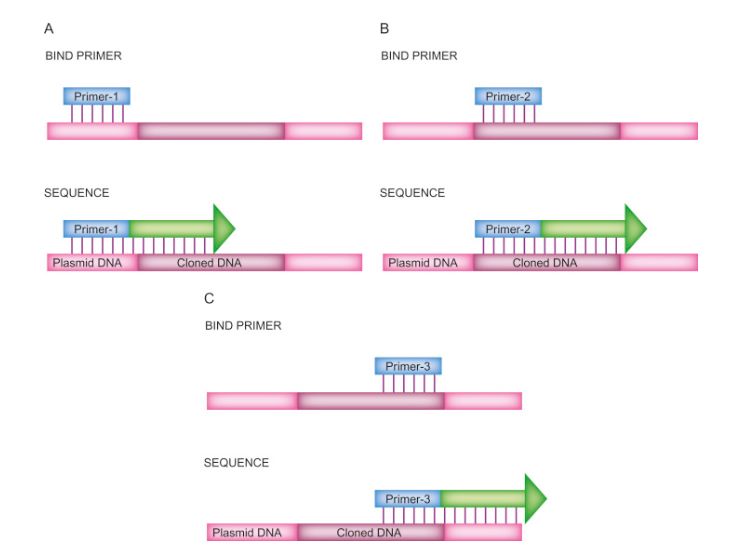
In the field of genomics, two notable methodologies for DNA sequencing have risen to prominence: Primer Walking Sequencing and Shotgun Sequencing. These techniques, although distinct in their approaches, stand as indispensable instruments for deciphering the intricacies inherent within the genetic code. This discourse endeavors to dissect the nuances of both methodologies, elucidating their fundamental principles, […]

How Does PacBio SMRT Sequencing facilitate AAV Vector Development?

How Does PacBio SMRT Sequencing facilitate AAV Vector Development?

Recombinant adeno-associated virus (AAV) has emerged as one of the primary vectors for gene therapy. This is because it has many desirable properties, including lack of pathogenicity, efficient infection of dividing and non-dividing cells, and sustained maintenance of the viral genome. With an excellent safety profile in numerous preclinical studies and hundreds of clinical trials […]

Functional Metagenomics for New Antibiotic Resistance Genes Research

Functional Metagenomics for New Antibiotic Resistance Genes Research

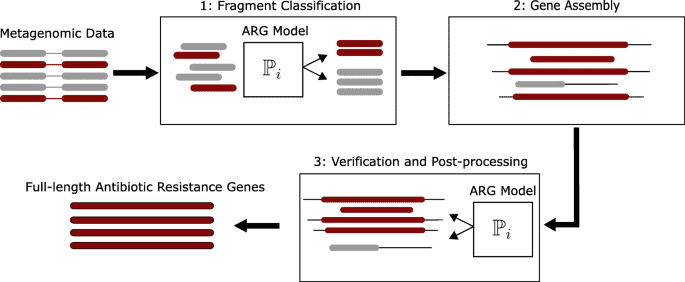
Functional metagenomics is a powerful method for discovering new biocatalysts from a wide range of environmental samples. The building of metagenomic libraries is usually accompanied by the selection of clones expressing the desired phenotype, such as enzymatic or antimicrobial activity, antibiotic/xenobiotic resistance, or the capacity to disintegrate toxic compounds or environmental pollutants. Gene annotation is […]

Comprehensive and Quantitative Profiling of Translation – Ribo-Seq and Application in Virology

Comprehensive and Quantitative Profiling of Translation – Ribo-Seq and Application in Virology

In the past decade, second-generation sequencing has been rapidly developed and widely used in the studies of genome, transcriptome, and epigenetics of many species. It also acts as an important technological support for pharmacy, diagnosis, and many other fields. In recent years, second-generation sequencing has been increasingly used to monitor protein translation. Combining ribosome profiling […]

Sanger Sequencing: Introduction, Principle, and Protocol

Sanger Sequencing: Introduction, Principle, and Protocol

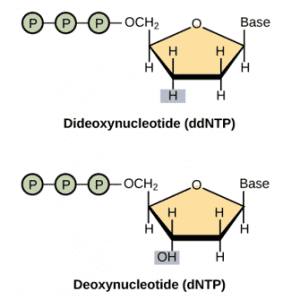
What Is Sanger Sequencing? Sanger sequencing, also known as the “chain termination method,” was developed by the English biochemist Frederick Sanger and his colleagues in 1977. This method is designed for determining the sequence of nucleotide bases in a piece of DNA (commonly less than 1,000 bp in length). Sanger sequencing with 99.99% base accuracy […]

Mitochondria Fact Sheet: Definition, Structure, Function and Genome

Mitochondria Fact Sheet: Definition, Structure, Function and Genome

Mitochondria are recognized as the powerhouse of the cell since they help convert oxygen and nutrients into adenosine triphosphate (ATP), the energy currency of the cell. Mitochondria are small organelles (usually 0.75~3 micrometers), found in nearly all types of human cells except mature red blood cells, as well as cells of other eukaryotes (such as […]

Introduction to DNA Microarray Technology

Introduction to DNA Microarray Technology

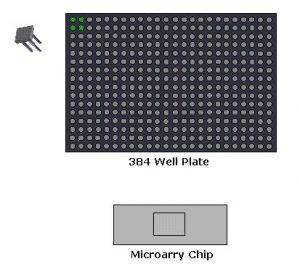
What is a DNA Microarray? Microarray is a common laboratory tool for detecting gene expression or gene mutations in a high throughput manner. These slides are also known as gene chips or DNA chips. Thousands of probes (with known identity) are immobilized on a microscope slides or silicon chips or nylon membrane, with thousands of […]

Copyright © CD Genomics. All rights reserved.
Share
Top