Blog Archives

Metatranscriptomics: Case Studies on Microbial Gene Expression Across Environments

Metatranscriptomics: Case Studies on Microbial Gene Expression Across Environments

metatranscriptomics integrates expertise from multiple disciplines and techniques to examine the transcriptional products (mainly mRNA) of entire biological communities in specific environments. Moving beyond the constraints of traditional microbiological studies, it uses high-throughput sequencing and advanced bioinformatics to expose comprehensive gene expression patterns in microbial communities. This approach has transformed research in microbial ecology, environmental […]

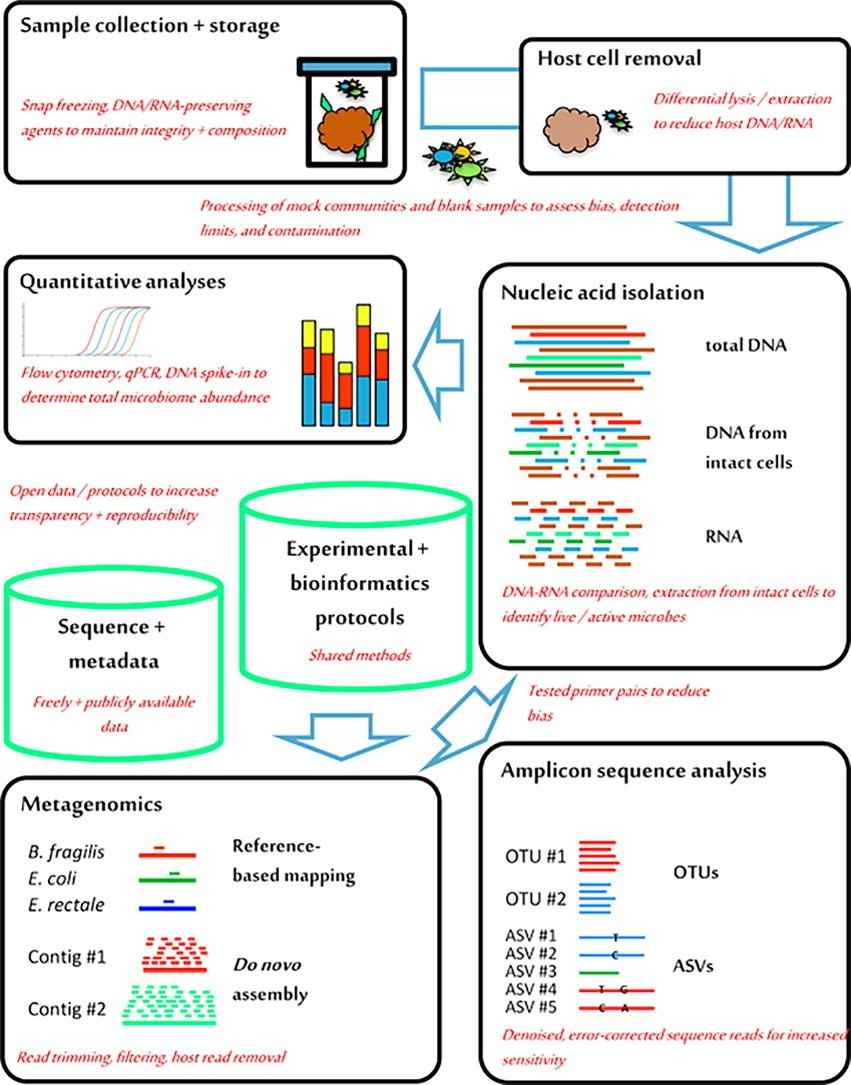
Metagenomics vs Metatranscriptomics: Unveiling Microbial Communities & Gene Expression Dynamics

Metagenomics vs Metatranscriptomics: Unveiling Microbial Communities & Gene Expression Dynamics

Metagenomics focuses on analyzing the DNA of microbial communities in environmental samples, offering a comprehensive view of community composition and functional potential, including unculturable microorganisms. metatranscriptomics, on the other hand, delves into the RNA expression profiles of host tissues or cells, accurately reflecting gene activity states at specific times and locations. Both play pivotal roles […]

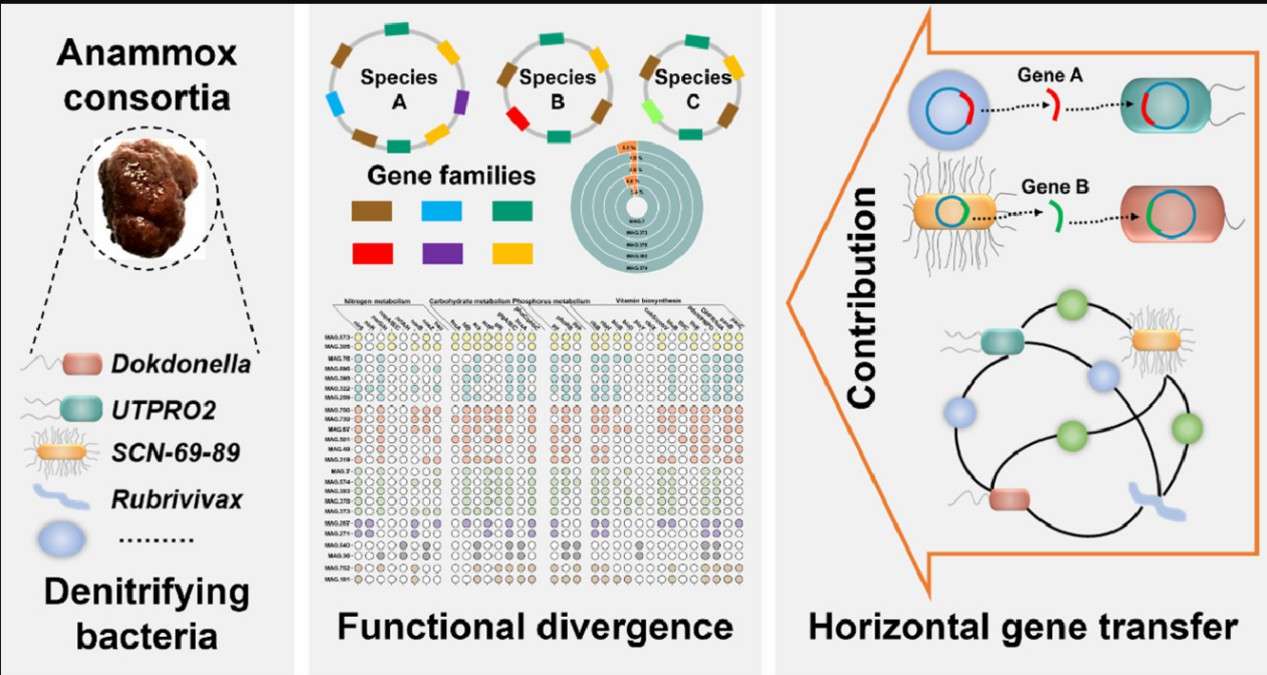
Microbial Divergent Evolution: Molecular Mechanisms, Case Studies, and Analytical Approaches

Microbial Divergent Evolution: Molecular Mechanisms, Case Studies, and Analytical Approaches

In the vast theatre of nature, microorganisms reign supreme as the oldest and most abundant life forms, holding a pivotal position. A question often arises: "Why do microorganisms in similar environments evolve differently?" The answer lies in the intricate and fascinating process of divergent evolution. Despite seemingly identical environmental conditions, microorganisms can evolve into populations […]

Unraveling Fungi through Sequencing: Approaches and Applications

Unraveling Fungi through Sequencing: Approaches and Applications

Fungi are a kind of magical creatures. They are in various forms, from microscopic yeasts to mushrooms and fungus visible to the naked eye. It is not only different from the photosynthesis of plants, but also different from the feeding mode of animals. It survives by absorbing nutrients from the surrounding environment. Widely distributed in […]

Introduction to Eubacteria: Taxonomy, Reproduction, Metabolism and Research Methods

Introduction to Eubacteria: Taxonomy, Reproduction, Metabolism and Research Methods

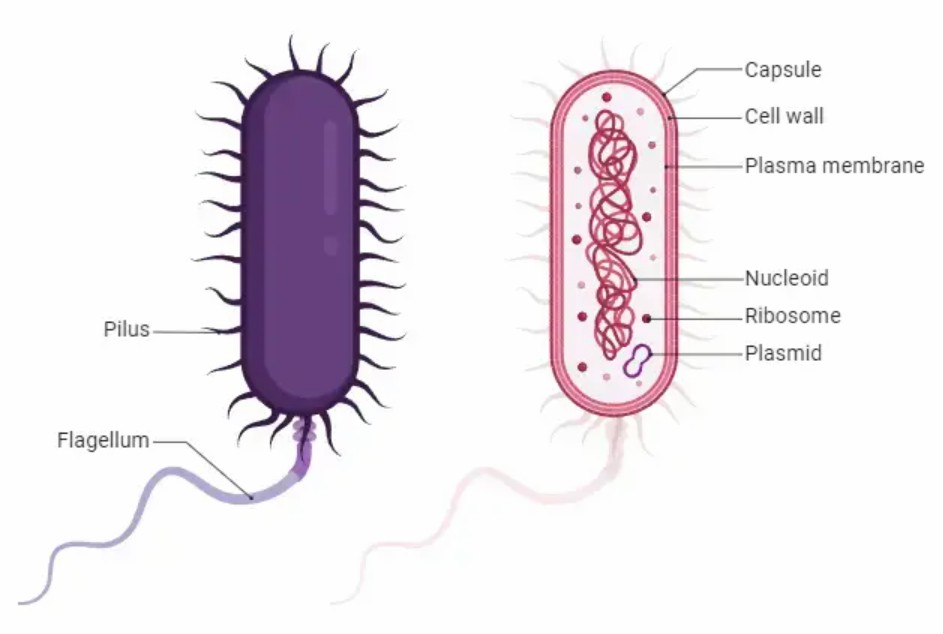
Eubacteria belong to the prokaryotic domain, with prokaryotic cell structure, nuclear wrapped by nuclear membrane, and genetic material DNA exposed in the quasi-nuclear region. Binary fission is the main breeding mode, and some of them can form spores to resist adversity in harsh environment. Metabolic types are diverse, including photoautotrophic, chemoautotrophic, photoheterotrophic and chemoheterotrophic. Respiratory […]

Eubacteria: Introduction of Characteristics, Living Environments, Ecosystem and Human Relations

Eubacteria: Introduction of Characteristics, Living Environments, Ecosystem and Human Relations

Eubacteria, as an ancient and diverse microbial group on the earth, are widely distributed in every corner of our lives. From hot springs to cold polar regions, from fertile soil to deep oceans, there are traces of them. Although this kind of prokaryote is small, it occupies an irreplaceable key position in the operation of […]

PCA vs PCoA vs NMDS: Key Differences, Applications, and When to Use Each

PCA vs PCoA vs NMDS: Key Differences, Applications, and When to Use Each

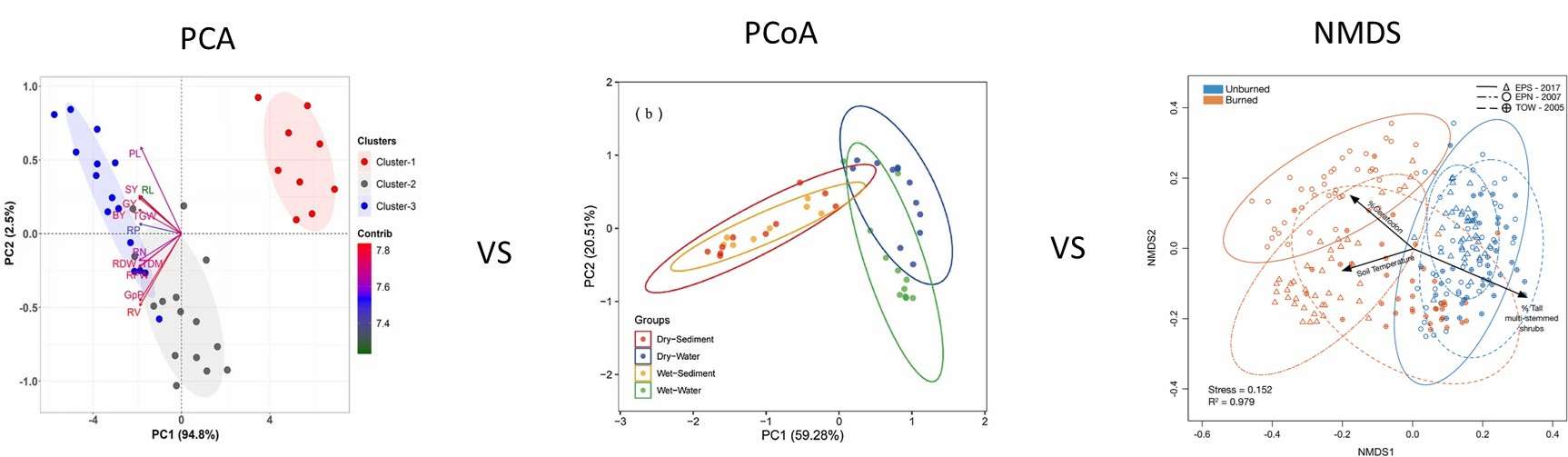
In contemporary biological research, the handling of high-dimensional data has emerged as a significant challenge. For instance, in the analysis of microbial communities and gene expression data, samples often encompass thousands of features (such as Operational Taxonomic Units (OTUs) or gene expression values). Direct analysis of these high-dimensional datasets not only involves substantial computational effort […]

Sequencing Technologies and Applications in Microecology Research

Sequencing Technologies and Applications in Microecology Research

Organisms live in an ecological context, and pure cultures rarely exist in nature. Microbial communities comprising microecology are one example of systems that are far from being pure culture which makes them dynamic in playing roles in the ecosystem.  Despite their abundance and ubiquity, our understanding of microecology, their interactions, and functions lag our knowledge […]

Fecal Microbiome Research: From Sampling to Sequencing

Fecal Microbiome Research: From Sampling to Sequencing

In recent years, studies have been progressively conducted to assess the effect of distinct sampling techniques on the outcomes of fecal microbiome assessment, in order to address this unmet need in the area of microbiome research. These methodology researches are useful for researchers to create quite rational guidelines for the procedure of fecal sampling, handling, […]

Efficient, Accurate, and Affordable, NGS Offers Great Choice for Antibiotic Gene Resistance

Efficient, Accurate, and Affordable, NGS Offers Great Choice for Antibiotic Gene Resistance

When bacteria, fungi, viruses, and parasites change over time and no longer respond to antibiotics, antimicrobial resistance (AMR) occurs. This makes an emerging issue related to the development and usage of antibiotics. Traditional microbial screening methods for AMR can be very laborious and time-consuming. However, the use of next-generation sequencing (NGS), especially whole-genome sequencing (WGS), […]

Copyright © CD Genomics. All rights reserved.
Share
Top