

The importance of microbial genomics in the medical field
The study of microbial genomes enables us to better understand the biology of bacteria, fungi, viruses, and their interaction with the environment. Microbial genomics involves the high-throughput sequencing process and comprehensive bioinformatics analysis that determine microbial species, community structure, and biological function. It ensures a safe and supervised drug production process and enables researchers to understand the interaction between the microorganisms and the environment, hence grasping the pathogenic mechanism and probably developing new vaccines and drugs for human diseases.
 Request a Quote
Accelerate research and practice in pharma
We provide the next-generation sequencing technology, third-generation sequencing, gene chip analysis, SNP genotyping, and real-time qPCR technologies to determinate which microorganisms are present in the sample and their quantity, and study the diversity of microorganism and the relationship between the human microbiome and human health. Additionally, we also help you conduct routine monitoring for control of manufacturing processes. Our microbial genomics services are dedicated to supporting a drug's journey from discovery to market.
The main research directions:
- Drug target discovery: explore the relationship between microbes and infectious diseases or various non-infectious diseases such as obesity, asthma, or diabetes.
- Microbial therapeutics: develop new vaccines and drugs for the prevention and treatment of microbial infections and other diseases.
- Biomarker discovery: discover and elucidate microbial and functional biomarkers in the human microbiota and other microbiomes.
What can we do?
- 1. Identify microorganisms and microbial biomarkers that affect specific disease states.
- 2. Recognize and identify different microorganisms which closely related to human health.
- 3. Find valuable biomarkers and drug target for drug research and development.
Note: Our services are for research use only, not for disease diagnosis and treatment.
Detectable Objects
We have detected a variety of human microbiome samples and environmental monitoring samples in pharmaceutical facility.
Detectable Microorganisms
Bacteria, fungi, viruses, etc.
Detection Methods
The next-generation sequencing, third-generation sequencing, gene chip analysis, SNP genotyping, real-time qPCR, etc.
Technical Platforms
We are equipped with Illumina Hiseq/Miseq, Ion PGM, PacBio SMRT systems, Nanopore systems, PCR-DGGE (PCR-denaturing gradient gel electrophoresis), real-time qPCR, Clone library, and other detection platforms.
Sample Requirement

DNA sample: total DNA ≥ 300 ng, concentration ≥ 10 ng/μL, OD260/280=1.8-2.0
Make sure the DNA is not degraded and do not freeze and thaw the DNA repeatedly.
Please prepare enough ice pack or dry ice to ensure low temperature during transportation.
We provide a broad range of oral and fecal sample collection kits for microbial recovery and analysis.
Workflow
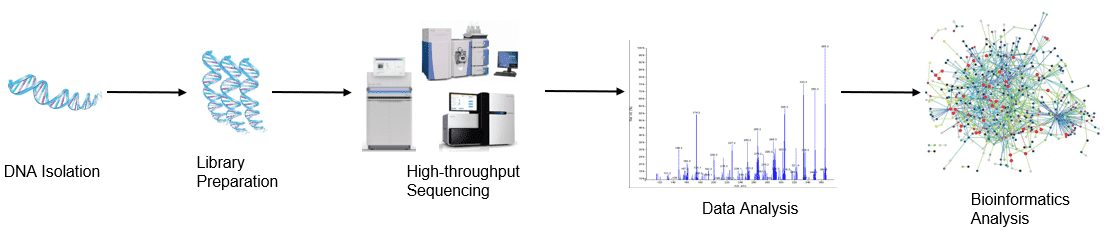 Figure 1. High-throughput sequencing analysis process
 Figure 2. PCR-DGGE analysis process
Bioinformatics Analysis
| Basic Analysis | Routine Analysis (According to Customer Requirements) | Advanced Data Analysis |
|---|---|---|
| Sequence Filtering and Trimming | Heatmap | Phylogenetic Tree |
| Sequence Length Distribution | VENN | LDA-Effect Size (LEfSe) |
| OTU Clustering and Species Annotation | Principal Components Analysis (PCA) | Network Analysis |
| Diversity Index | Microbial Community Structure Analysis | Correlation Analysis |
| Shannon-Wiener Curve | α Diversity Index Analysis | |
| Rank-Abundance Curve | Matastats Analysis | |
| Rarefraction Curve | Weighted Unifrac test | |
| Multiple Contrast | CCA/RDA Analysis | |
| Heatmap | ||
| Principal Components Analysis (PCA) |
Please submit a detailed description of your project. We will provide you with a customized project plan to meet your research requests. You can also send emails directly to for inquiries.
Please fill out the form below: ×