x

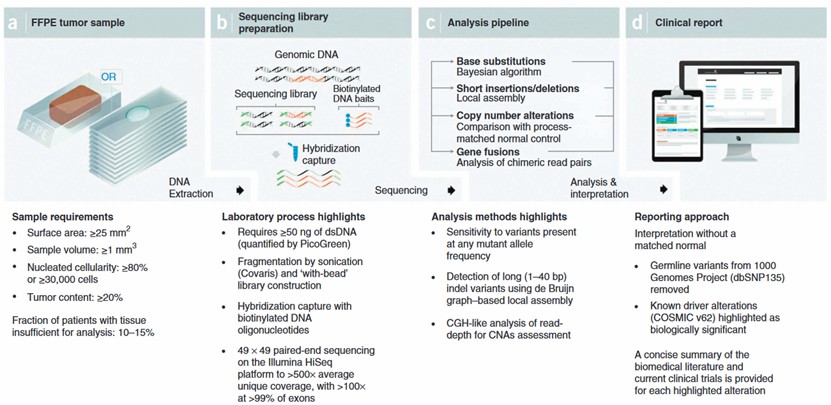
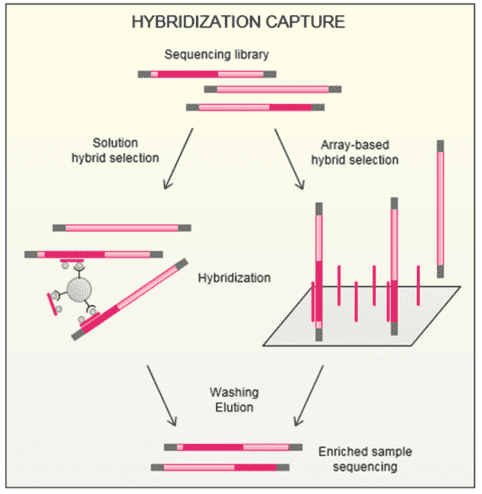
The CDCap™ HRR+HRD Panel is a hybridization capture-based targeted resequencing assay designed for simultaneous HRD score assessment and mutation detection of 39 genes in the HRR pathway. It enables the calculation of HRD scores through the analysis of 37,000 SNPs to assess LOH, TAI, and LST.This panel supports applications including risk prediction research, therapeutic research applications, molecular characterization research, and prognosis monitoring research.
The panel integrates optimized probe ratios to achieve a final HRD:HRR sequencing depth ratio of 1:4, ensuring efficient detection while minimizing sequencing costs. Additionally, it supports semi-custom modifications or seamless integration as a spike-in module with other panels.
Comprehensive SNP and Gene Selection
· Curated SNPs and HRR pathway genes based on authoritative databases, clinical trial insights, and the latest NCCN guidelines.
Targeted HRR Gene Content
· Focuses on 39 core HRR pathway genes critical for oncology drug development and precision medicine research.
Cost-Effective Design
· Optimized probe allocation ensures balanced sequencing depth (1:4 HRD:HRR ratio) for high sensitivity at reduced sequencing costs.
Flexible Integration
· Compatible with semi-custom modifications or as a spike-in module to existing panels for expanded functionality.
| Enrichment Method: | Probe Hybridization Capture |
| Species: | Human |
| Variant Types: | SNV、Indel、CNV、HRDscore |
| Target Size: | 4.1Mb |
| Cancer Type: | Breast/Ovarian/Pancreas/Prostate Cancer |
| Number of Genes: | 37000+ HRD-related SNPs,39 HRR genes |
| Sample Type: | Tissue、FFPE |
| Input DNA/RNA: | >30ng |
| Method: | NGS |
| Sequencing Platform: | Illumina |
| Storage: | Store at -20 °C. |
1. Consistent Trends in HRD Score and HRR Mutations
By testing 6 tumor tissue samples with HRD & HRR panel, the HRR genes mutation status showed consist trends with the calculated HRD score, indicating high co-relation and accuracy.
| Sample | LOH | LST | TAI | HRD-score | HRR Mutation |
| ---- | ---- | ---- | ---- | ---- | ---- |
| Sample1 | 8 | 21 | 12 | 41 | Germline variants of uncertain significance |
| Sample2 | 3 | 2 | 3 | 8 | Somatic or Germline variants of uncertain significance |
| Sample3 | 9 | 14 | 25 | 48 | Somatic likely pathogenic variants |
| Sample4 | 24 | 31 | 27 | 82 | Somatic or Germline pathogenic variants |
| Sample5 | 4 | 10 | 7 | 21 | Germline variants of uncertain significance |
| Sample6 | 33 | 32 | 27 | 92 | Somatic pathogenic variants |
| BRCA1 | BRCA2 | ATM | ATR | BARD1 | BLM | BRIP1 | CHEK1 | CHEK2 | FANCA | FANCC | FANCD2 |
| FANCE | FANCF | FANCI | FANCL | FANCM | MRE11 (MRE11A) | NBN | PALB2 | RAD50 | RAD51 | RAD51B | RAD51C |
| RAD51D | RAD52 | RAD54L | RPA1 | CDK12 | EMSY | PTEN | SLX4 | XRCC2 | PPP2R2A (B55A) | RBBP8 (CTIP) | MDC1 (NFBD1) |
| ABRAXAS1 (FAM175A) | WRN | TP53 |
Please submit a detailed description of your project. We will provide you with a customized project plan to meet your research requests. You can also send emails directly to for inquiries.
Please fill out the form below: ×