x

The CDCap™ Solid Tumor Fusion RNA Panel interrogates 105 genes most commonly associated with clinically significant fusions in solid tumor research. The panel covers all transcript coding regions and select UTR regions implicated in fusion events as officially included in RefSeq 109. With CDCap Technology, this solution enables comprehensive enrichment of RNA-level fusion, mutation, and gene expression data for confident molecular profiling.
Novel Fusion Discovery
· Identify novel fusion gene partners or analyze complex structural rearrangements with high confidence.
Optimized Fusion Sensitivity
· Exclusion of intronic sequences from mRNA targets improves fusion analysis breadth and sensitivity.
Cost-Effective, Streamlined Workflow
· Targeted enrichment of fusion-critical genes eliminates ribosomal RNA removal steps during RNA library preparation, reducing costs while enhancing detection sensitivity.
Clinically Actionable Insights
· RNA-level fusion data delivers direct clinical relevance to for confident molecular profiling.
| Enrichment Method: | Probe Hybridization Capture |
| Species: | Human |
| Variant Types: | SNV、Indel、Fusion、Gene Expression |
| Target Size: | 700Kb |
| Cancer Type: | Pan-Cancer |
| Number of Genes: | 105 |
| Sample Type: | Tissue、FFPE |
| Input DNA/RNA: | >30ng |
| Method: | NGS |
| Sequencing Platform: | Illumina |
| Storage: | Store at -20 °C. |
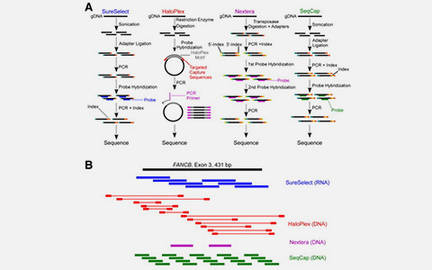
1. Excellent Capture Performance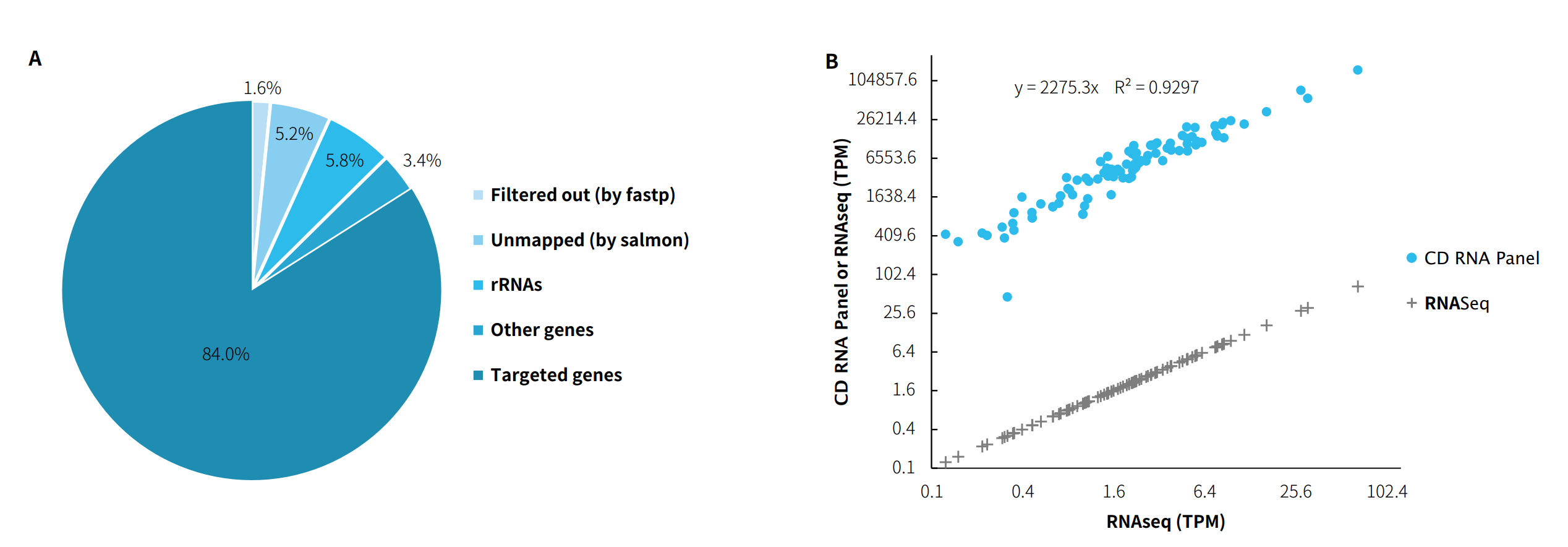
Figure 1. Capture performance of CDCap™ Solid Tumor Fusion RNA Panel.
A. Typical capture sequencing data; B. Comparison of the relative abundance of target genes between capture sequencing and RNAseq.
2. Fusion Detection Performance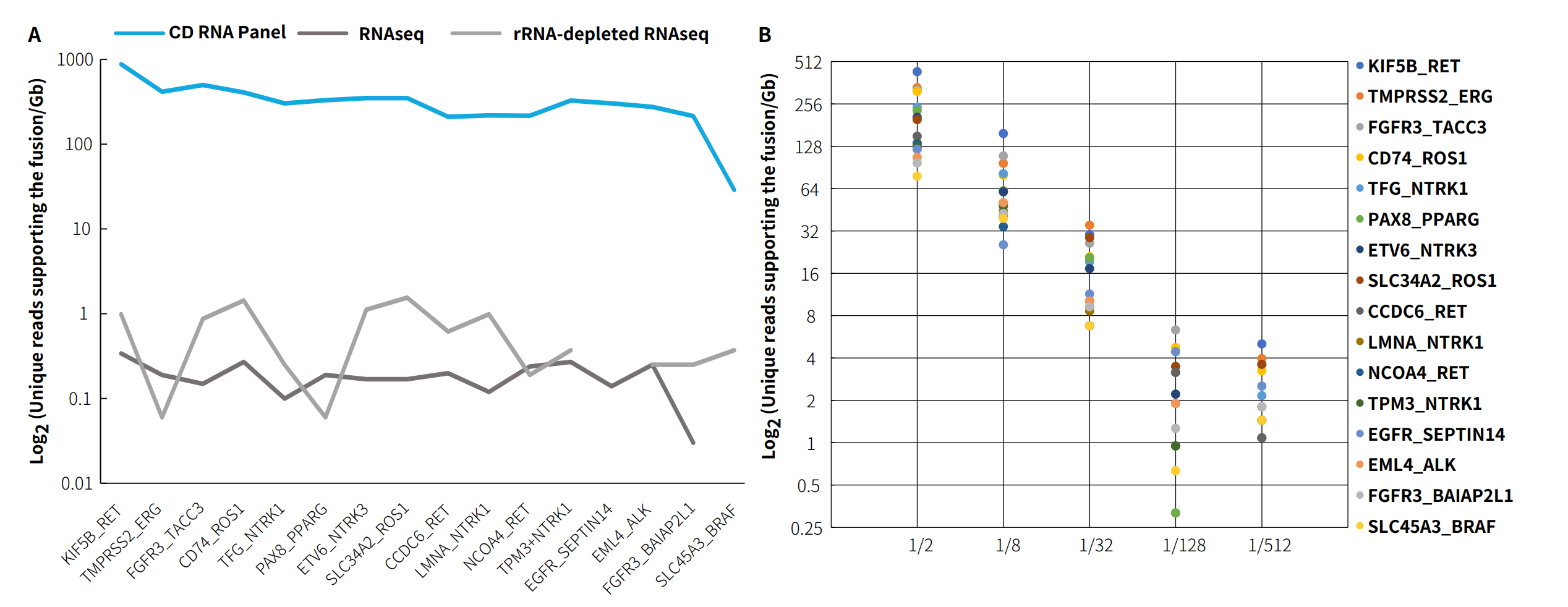
Figure 2. Fusion detection of FFPE fusion RNA standards by CDCap™ Solid Tumor Fusion RNA Panel
A. Comparison of OncoFu E targeted enrichment and RNAseq; B. Targeted enrichment performance of OncoFu E after multiple dilution of the standards.
| ABL1*† | ABL2 | AKT3 | ALK | ARHGAP26 | AXL | BCL2† | BCOR* | BRAF | BRD3* | BRD4* | CAMTA1 |
| CCNB3* | CCND1 | CIC† | COL6A3 | CSF1R | DNAJB1 | EGFR | EML4 | EPC1* | ERBB2† | ERG* | ESR1 |
| ETS1 | ETV1* | ETV4 | ETV5* | ETV6* | EWSR1 | FGFR1 | FGFR2 | FGFR3 | FGR* | FLI1 | FLT3 |
| FOSB | FOXO1 | FUS | GLI1 | HMGA2 | INSR | JAK2* | JAK3 | JAZF1 | KIF5B† | KIT† | KMT2A |
| MAML2 | MAST1 | MAST2 | MEAF6 | MET* | MLLT3 | MSH2 | MSMB† | MUSK | MYB | MYC | NCOA1* |
| NCOA2* | NOTCH1 | NOTCH2 | NOTCH3† | NR4A3* | NRG1 | NTRK1 | NTRK2 | NTRK3 | NUMBL | NUTM1 | PAX3 |
| PAX7 | PDGFB | PDGFRA | PDGFRB† | PHF1* | PIK3CA* | PKN1 | PLAG1* | PPARG* | PRKACA | PRKCA | PRKCB |
| RAF1 | RARA* | RELA | RET | ROS1 | RSPO2* | RSPO3 | SS18 | STAT6* | TAF15 | TCF12† | TCF3 |
| TERT | TFE3 | TFEB | TFG | THADA | TMPRSS2*† | TP53* | USP6* | YWHAE* |
Please submit a detailed description of your project. We will provide you with a customized project plan to meet your research requests. You can also send emails directly to for inquiries.
Please fill out the form below: ×