x

Tumor initiation and progression are driven by genetic alterations. Next-Generation Sequencing (NGS) technology has transformed cancer research, enabling a shift from macroscopic histological classification to precisely defined molecular subtyping. CD Genomics Oncology NGS Panels provide the tools to harness this power, delivering comprehensive, reliable, and efficient genomic solutions for precision oncology, biomarker discovery, and clinical translation.
Whether your focus is on solid tumors, hematologic malignancies, immunotherapy biomarkers, or DNA damage repair pathways, our panels are optimized to meet your specific research needs.
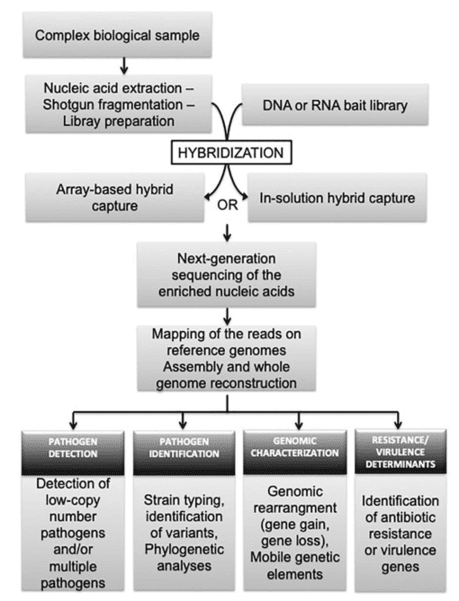
Our Oncology NGS Panels leverage advanced probe capture and sequencing technologies, delivering the following key advantages:

NGS overcomes the limitations of traditional approaches and establishes new standards in cancer diagnostics. By enabling comprehensive molecular profiling—now considered the gold standard per CAP/ESMO guidelines—NGS moves beyond conventional tumor classification. It delivers highly sensitive analysis of pivotal genes across major solid tumors, including lung, colorectal, and breast cancers. This technology detects rare somatic mutations, low-frequency variants, and tumor heterogeneity often missed by conventional methods.

HRR/HRD detection panel evaluates tumor homologous recombination deficiency (HRD) status—a crucial genomic characteristic with broad implications across multiple cancer types. HRD positivity is an established biomarker predictive of response to PARP inhibitor therapy, with growing clinical evidence supporting its relevance. In addition, comprehensive profiling of the homologous recombination repair (HRR) pathway uncovers actionable mutations and genetic signatures important for clinical trial stratification. This integrated strategy supports targeted therapy development and enhances precision oncology research by elucidating genomic instability patterns, ultimately contributing to personalized treatment approaches.

Our expert-curated targeted NGS panels for myeloid leukemias, lymphomas, and other hematologic malignancies focus on core genes associated with these diseases. This targeted approach substantially reduces sequencing expenses and simplifies bioinformatic analysis. The streamlined workflow ensures scalability, allowing concurrent processing of hundreds of samples and significantly increasing research throughput.

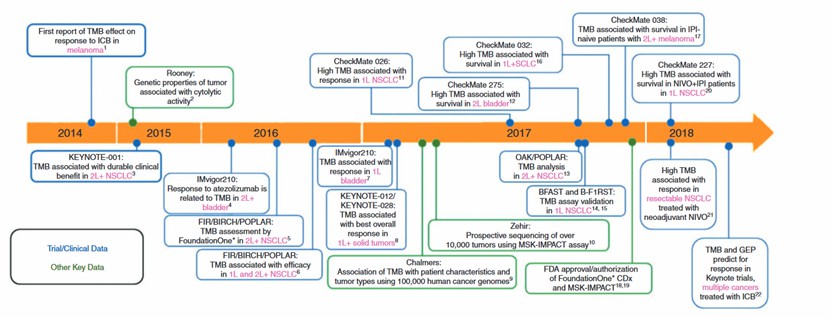
Tumor Mutational Burden (TMB) is a continuous biomarker that shows considerable variation across and within cancer types. Cancers such as lung and head and neck tumors typically display lower TMB variability, whereas colorectal, bladder, and uterine cancers often show higher variability. Tumors linked to chronic mutagen exposure—such as lung cancer and melanoma—generally present high TMB levels. In contrast, leukemias and certain pediatric cancers typically show low TMB.
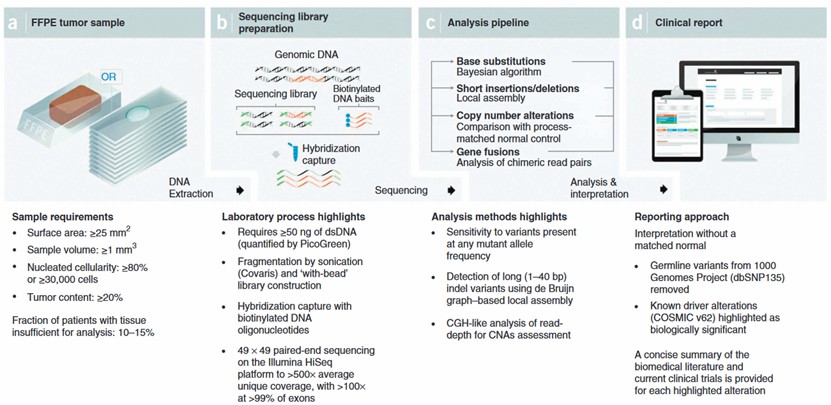
CD Genomics Oncology NGS Panels provide researchers with a versatile solution for tumor tissue and ctDNA analysis through an integrated, end-to-end research workflow.
Capable of accurately detecting ultra-low levels of ctDNA as well as formalin-fixed paraffin-embedded (FFPE) tissue samples, our panels enable in-house tumor profiling, comprehensive genomic profiling (CGP), and surveillance & monitoring for laboratories.High-throughput NGS drives cancer breakthroughs by rapidly generating large-scale data and enabling multi-omic analysis—revealing tumor origins, evolution, and therapy response—and powering single-cell studies, liquid biopsies, and immunotherapies.
Liquid Biopsy Research
A non-invasive approach that analyzes genetic material such as cell-free DNA and circulating tumor cells from blood and other bodily fluids. It allows detection and monitoring of cancer-related genetic changes, providing a valuable alternative to conventional tissue biopsies.
Cancer Biomarkers
Biomarkers deliver critical insights into cancer risk and activity. NGS enables simultaneous profiling of hundreds of biomarkers, supporting data-driven decisions in research.
Immuno-Oncology Research and Tumor Microenvironments
Immuno-oncology increasingly relies on NGS to evaluate factors influencing immunotherapy response, identify novel biomarkers, and tailor personalized immunotherapies. NGS also supports comprehensive characterization of the tumor microenvironment, revealing immune marker expression patterns in the context of tumor progression, treatment effects, and large-scale gene expression profiling.
Cancer Single-Cell Analysis
Single-cell sequencing provides high-resolution insights into cancer mechanisms by interrogating DNA, RNA, epigenetic modifications, and proteins—individually or through integrated multiomic approaches.
Please submit a detailed description of your project. We will provide you with a customized project plan to meet your research requests. You can also send emails directly to for inquiries.
Please fill out the form below: ×