

16S/ITS rRNA Sequencing
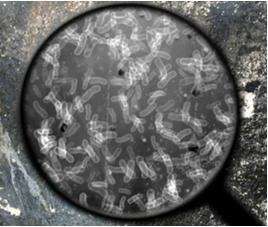
Amplicon sequencing is a research strategy that involves PCR amplification of target regions of the genome, enrichment of the target region DNA for high-throughput sequencing, and comparison of the resulting sequences with specific databases to confirm species and perform bioinformatic analysis. 16S and ITS rRNA sequencing (internal transcribed spacer ribosomal RNA sequencing) are commonly used amplicon sequencing methods for identifying and comparison of bacteria or fungi in a given sample. NGS-based sequencing of ITS and 16S rRNA genes allows comparison of the phylogeny and classification of samples from complex microbiomes or environments that are difficult or even impossible to study.
CD Genomics can provide you with a full range of microbial sequencing services to ensure the successful completion of your critical microbial genomic research projects. Our flexible services ensure a cost-effective, project-focused and consultative customer experience, including reliable data mining, fast turnaround times, extensive expertise and dependable technical support. To date, we have successfully processed manure, soil, water, air, plant and animal surface or in vivo sample types, and have extensive experience in nucleic acid extraction from a variety of environmental or miscellaneous difficult samples, in addition to providing a wide range of content analysis to support different areas of application or data requirements.
Technical features of 16S and ITS sequencing services
- NGS-based 16S and ITS rRNA sequencing provides a cost-effective technique for identifying strains that may not be detected by traditional methods. Unlike capillary sequencing or PCR-based methods, NGS analyzes the entire microbial community in a sample without the need for culture.
- Microbiologists can increase the sensitivity of colony metagenomics studies to the genus level with NGS-based 16S rRNA sequencing. ITS analysis using NGS allows for rapid identification of fungi and helps us gain insight into the fungal microbiome. In addition, NGS can analyze multiple samples in a single sequencing run.
16S and ITS rRNA sequencing can be applied to agro-pastoral research
- Environmental science
- Animal gut microbiology research
- Soil and hydrological environment survey
- Composting
- Anaerobic digestion
- Animal nutrition and other fields
Instructions for providing samples
| Sample type | Soil, compost, environmental water samples, microbial-rich liquids |
| Biological repetition | > 6 |
| Sample demand | Soil ≥ 1 g Fermentation solution, etc. ≥ 2 mL |
| Sample preservation | Quick-frozen in liquid nitrogen, or stored at -80°C |
| Shipping | Dry ice shipping |
| Others | Samples are well marked |
16S and ITS rRNA sequencing workflow
 Fig 2. 16S and ITS rRNA sequencing workflow
Our advantages and features
- Experienced technical staff can provide a full set of professional services from experimental design, sample testing, and data analysis.
- Clear process to reduce unnecessary sample and time wastage and short delivery time.
- Different extraction methods and library building sequencing strategies for samples from different sources to meet a variety of environmental research needs.
- Professional analysis platform for multi-omics integration analysis to help customers improve research efficiency.
CD Genomics uses state-of-the-art instrumentation, technology and bioinformatics tools to ensure that you receive the benefits of state-of-the-art technology. We can individually customize our microbial genomic services to fit your project goals, if you are interested in us, please feel free to contact us.
 Send a Message
For any general inquiries, please fill out the form below.