Epigenetics in Drug Discovery: Mechanisms and Therapeutic Targets
Epigenetics—the science of regulating gene activity without altering the underlying DNA sequence—is rapidly reshaping the landscape of modern drug development. Unlike permanent genetic mutations, epigenetic changes such as DNA methylation and histone modifications are reversible. This makes them especially attractive as druggable targets in complex diseases like cancer and neurodegenerative disorders.
By adjusting how tightly DNA is packaged within the chromatin structure, these chemical tags act like volume knobs, turning genes on or off and influencing cell fate in real-time. Several drugs targeting key epigenetic enzymes, including DNA methyltransferases (DNMTs) and histone deacetylases (HDACs), have already gained regulatory approval for treating blood cancers—a major milestone in moving epigenetic therapies from bench to bedside.
Yet, significant hurdles remain. Precisely targeting these mechanisms without triggering unwanted side effects is a core challenge for researchers and developers alike.
This article explores the molecular mechanisms behind DNA methylation and histone modification, reviews current strategies in epigenetic drug development, and forecasts how these innovations could integrate with precision medicine to deliver truly personalized care.
Services you might be intersted in
Learn More:
From Chromatin Marks to Precision Therapies
Epigenetics—the study of heritable gene regulation without altering DNA sequences—is transforming drug development. By controlling how tightly DNA is packaged and read, epigenetic mechanisms influence which genes are turned on or off. Three key regulators—DNA methylation, histone modifications, and chromatin remodeling—work in concert to drive or suppress gene activity.
Disruptions in these processes have been linked to cancer, neurodegeneration, and autoimmune disorders. Importantly, unlike genetic mutations, epigenetic changes are reversible. That makes them appealing therapeutic targets. Several epigenetic-based drugs are already FDA-approved, especially in hematological cancers, signaling a shift from bench research to clinical application. This review explores how DNA methylation and histone modifications function, current therapeutic strategies, and challenges in epigenetic drug development.
 Therapeutic strategies to modulate the epigenome (Hogg et al., 2020)
DNA Methylation: Chemical Silencers of Gene Activity
DNA methylation involves the addition of a methyl group to the 5th carbon of cytosine rings—primarily within CpG-rich promoter regions. Catalyzed by DNMTs, this modification acts as a gene silencing mark.
Mechanisms of Silencing:
- Methylated CpGs block transcription factors from binding.
- Methyl groups recruit MBD proteins, which compact chromatin into a "closed" state.
Each DNMT serves a specific role:
- DNMT1 maintains methylation during cell division.
- DNMT3A/3B establishes new methylation patterns during early development.
- DNMT3L, although catalytically inactive, stabilises DNMT3A's function.
In cancer, two opposing methylation patterns emerge:
- Hypermethylation silences tumor suppressor genes (e.g. p16, BRCA1).
- Global hypomethylation destabilizes the genome and activates oncogenes.
 DNA methylation in cancer and viral mimicry (Hogg et al., 2020)
Therapeutic Strategies:
- Nucleoside DNMT inhibitors integrate into DNA and trap DNMTs, causing cytotoxic damage—currently used in blood cancers.
- Second-generation inhibitors feature improved stability and targeted demethylation.
- Non-nucleoside inhibitors bind directly to DNMTs but face selectivity challenges.
Detection Tools:
- MS-PCR and pyrosequencing quantify methylation at specific CpG sites.
- Bisulfite sequencing remains the gold standard for single-base resolution.
Next-gen Innovation: CRISPR-dCas9-based methylation editing now allows for gene-specific reprogramming, potentially reducing off-target drug effects.
Services you might be intersted in
Histone Modifications: Rewriting the Genome's Software Layer
Histone proteins help package DNA into chromatin. Their tails are chemically modified—often by acetyl or methyl groups—to dynamically regulate gene accessibility.
- Acetylation (via histone acetyltransferases or HATs) relaxes chromatin, boosting gene expression.
- Deacetylation (via HDACs) compacts chromatin, silencing transcription.
Methylation, depending on the site and context, can either activate or repress transcription:
- H3K4me3 = active promoters.
- H3K27me3 = gene repression.
 Histone acetylation and methylation in oncogenesis and immunogenicity (Hogg et al., 2020)
Drug Development Highlights:
- HDAC inhibitors restore acetylation, reactivate silenced tumor suppressors, and are approved for T-cell lymphomas.
- EZH2 inhibitors block H3K27me3 deposition, targeting malignancies reliant on this silencing mark.
- BET inhibitors prevent bromodomain proteins from reading acetyl marks, stalling oncogene expression.
Analytical Tools:
- ChIP-seq maps histone modification landscapes across the genome.
- Mass spectrometry profiles new and known histone marks with quantitative precision.
Emerging Approaches:
Combining epigenetic drugs with immunotherapies may enhance immune cell infiltration in "cold" tumors. However, improving enzyme selectivity remains a major hurdle.
Services you might be intersted in
Drug Targets in the Epigenetic Machinery
Gene expression isn't just a matter of DNA sequence—it's also shaped by dynamic, reversible chemical modifications known as epigenetic marks. These changes are orchestrated by three key players:
- Writers, which add chemical tags to DNA or histone proteins
- Erasers, which remove them
- Readers, which interpret these signals and trigger downstream responses
 Epigenetic writers, readers and erasers (Dedola et al., 2020)
Together, they create a highly adaptable system for regulating gene activity, development, and cellular identity. But when this system goes off balance—whether through overactive enzymes or faulty signal decoding—it can fuel cancer, neurological disorders, and more. As such, these epigenetic regulators have become prime drug targets. This chapter explores their core mechanisms, links to disease, and therapeutic strategies, along with current challenges and future outlooks.
Writers: Installing the Epigenetic Code
Writers initiate and maintain epigenetic programs by chemically tagging chromatin components. One major group is the DNMTs:
- DNMT1 maintains methylation patterns during DNA replication, ensuring stable gene silencing across cell generations.
- DNMT3A/B establishes new methylation marks during development, influencing cell fate decisions.
Another key writer family includes histone acetyltransferases (HATs), such as the p300/CBP complex. These enzymes acetylate lysine residues on histone tails, loosening chromatin structure and promoting transcriptional activation—especially at gene enhancers frequently hijacked in cancers.
Aberrant writer activity is a hallmark of the disease. For instance:
- Overexpressed DNMTs hypermethylate tumor suppressor genes like p16 and BRCA1.
- Dysfunctional HATs disrupt normal transcription and differentiation programs.
Therapeutic strategies include:
- Nucleoside analog inhibitors, which mimic natural substrates to trap DNMTs or HATs irreversibly.
- Non-nucleoside small molecules, which selectively bind catalytic sites for improved specificity.
Emerging tools like CRISPR-dCas9 epigenetic editors allow precise site-specific methylation or acetylation with reduced off-target effects.
Erasers: Reversing Epigenetic Marks
Erasers remove chemical tags to ensure epigenetic flexibility and timely gene regulation. Among the most studied are HDACs:
- These enzymes condense chromatin and repress transcription by stripping acetyl groups from histones.
- They also modulate non-histone targets like p53, impacting cell death and cell cycle control.
Histone demethylases, such as KDM4C and LSD1, remove methyl groups from lysine residues (e.g., H3K9me3 or H3K4me2) and dynamically adjust gene expression. For instance, KDM4C activation in acute myeloid leukemia boosts HOXA9 oncogene activity and disease progression.
Drug development for erasers focuses on balance:
- Pan-HDAC inhibitors have shown promise but often cause side effects like thrombocytopenia.
- Isoform-selective inhibitors, such as HDAC6-specific drugs, offer antitumor benefits with reduced toxicity.
- Demethylase inhibitors work by mimicking cofactors like α-ketoglutarate or occupying catalytic sites.
- Nanocarrier systems (e.g., liposome-encapsulated agents) improve tumor targeting while sparing healthy cells.
Readers: Decoding Epigenetic Instructions
Reader proteins identify epigenetic marks and translate them into cellular actions. The BET family (e.g., BRD4) recognizes acetylated histones like H4K12ac via its bromodomain. This enables the recruitment of transcription elongation complexes (e.g., P-TEFb), leading to high expression of oncogenes like MYC.
Other notable reader proteins include:
- YEATS domain readers, which bind biotinylated histones and play a role in MLL-rearranged leukemias
- PHD finger proteins, which interpret H3K4me3 signals and maintain stem cell identity
Challenges in targeting readers include high domain similarity within protein families. For instance:
- Generic BET inhibitors affect BRD2/3/4 and may impair normal blood formation
- Domain-specific inhibitors (e.g., BD2-selective) preserve efficacy while reducing side effects
- AI-assisted docking platforms are enabling more precise ligand design
- PROTACs (proteolysis targeting chimeras) bypass traditional inhibition by marking reader proteins for degradation via the ubiquitin-proteasome system
Epigenetics Driving Precision Medicine Evolution
Epigenetic modifications—such as DNA methylation and histone alterations—are dynamic and reversible, making them ideal links between genetic code and patient outcomes. As detection technologies evolve and multi-omics data accumulates, these modifications are moving from basic research to the forefront of clinical practice.
By mapping individual epigenetic landscapes, scientists can now predict disease risks, and treatment responses, and even develop therapies tailored to a person's molecular makeup. In the years ahead, the integration of artificial intelligence (AI), single-cell sequencing, and cross-omics analytics is expected to drive a major shift—from one-size-fits-all medicine to highly personalized care strategies.
 Integrating epigenomics into patient care (Fischer et al., 2021)
Epigenetic Biomarkers for Patient Stratification
Epigenetic markers offer unique advantages in pinpointing disease subtypes and informing treatment choices due to their time- and tissue-specific nature.
- Early Detection with Precision: DNA methylation signatures have shown higher sensitivity and specificity than traditional protein-based markers in cancer screening. Some multi-gene methylation panels now outperform standard diagnostics.
- Real-Time Monitoring: Changes in methylation patterns post-surgery or post-treatment reflect tumor burden, helping clinicians adjust therapies in real-time.
- Beyond Oncology: Abnormal histone acetylation profiles have been linked to neurodegenerative disease progression, opening doors to prognostic applications outside cancer.
Recent innovations are accelerating the clinical use of these markers:
- Single-Cell Epigenomics: This technique identifies therapy-resistant tumor clones by analyzing methylation patterns within diverse tumor microenvironments.
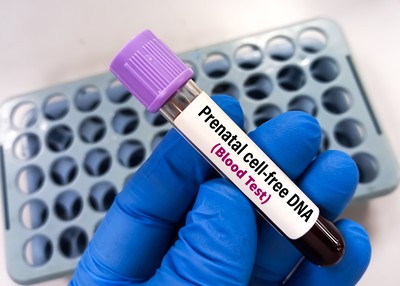
- Liquid Biopsy: Detecting methylation in circulating tumor DNA enables non-invasive early diagnosis, with over 85% concordance to tissue biopsies.
- Dynamic Risk Scoring: Methylation-based monitoring systems can predict recurrence risk and optimize patient follow-up plans.
Together, these developments transform epigenetic biomarkers from static diagnostic tools into dynamic indicators of treatment response and disease progression.
Multi-Omics Approaches to Drug Development
Epigenetic regulation doesn't operate in isolation—it interacts with genomic, transcriptomic, and metabolic systems to shape cellular behavior. Combining these datasets allows researchers to:
- Map Regulatory Hotspots: By layering chromatin accessibility (via ATAC-seq) with methylation profiles, scientists can identify regions of epigenetic dysregulation, highlighting potential therapeutic targets.
- Predict Global Effects with AI: Deep learning models trained on multi-omics datasets simulate how modifying one target might ripple through a biological system, reducing trial-and-error in drug design.
Next-generation techniques push the boundaries further:
- Spatial Multi-Omics: Single-cell platforms that co-detect methylation and protein levels reveal how epigenetic changes drive cell fate decisions.
- Dynamic Network Modelling: Integrating time-series methylation data with drug metabolism pathways allows for smarter dosing strategies.
- Digital Patient Twins: Large-scale virtual patient models simulate tumor responses to new compounds, forecasting both efficacy and side effects before clinical trials.
This new model transforms drug development from guesswork to data-driven prediction.
The convergence of epigenetics and precision medicine is no longer aspirational—it's becoming clinical routine. Predictive biomarkers and AI-enhanced drug pipelines are already reshaping how we diagnose and treat complex diseases.
However, challenges remain: standardizing techniques, safeguarding patient data, and validating clinical utility are critical hurdles. As frontier technologies like quantum computing and gene editing join the toolkit, decoding the full regulatory map of epigenetics becomes increasingly feasible.
Ultimately, we're moving toward a future where one test could guide lifelong treatment—bringing truly individualized healthcare within reach.
References
- Hogg, Simon J et al. "Targeting the epigenetic regulation of antitumour immunity." Nature reviews. Drug discovery vol. 19,11 (2020): 776-800. doi:10.1038/s41573-020-0077-5
- Dedola, Simone et al. "Revisiting the Language of Glycoscience: Readers, Writers and Erasers in Carbohydrate Biochemistry." Chembiochem : a European journal of chemical biology vol. 21,3 (2020): 423-427. doi:10.1002/cbic.201900377
- Fischer, Matthew A, and Thomas M Vondriska. "Clinical epigenomics for cardiovascular disease: Diagnostics and therapies." Journal of molecular and cellular cardiology vol. 154 (2021): 97-105. doi:10.1016/j.yjmcc.2021.01.011