
AAV Sequencing: Principles, Applications, and Therapeutic Case Studies
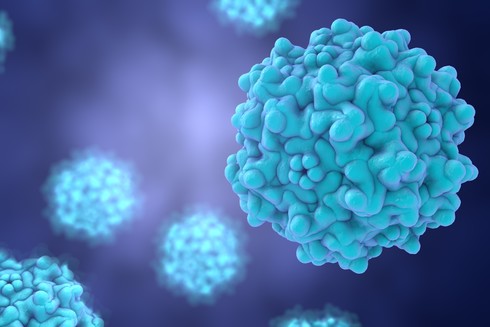
Adeno-associated virus (AAV) vectors are now key in gene therapy. They offer new hope for treating genetic disorders that were once untreatable. Their special biological traits—like low immunogenicity, wide tissue tropism, and lasting transgene expression—make them the preferred vector for over 150 clinical trials. These trials focus on rare diseases, cancers, and neurodegenerative conditions. The success and safety of AAV-based therapies depend on thorough vector characterization. AAV sequencing is a key part of quality control. This article looks at the science behind AAV sequencing. It covers how it's used in clinics and what the future may hold for gene therapy.
1. AAV Vectors and Quality Control Challenges in Gene Therapy
1.1 Advantages and Selection Rationale of AAV as a Gene Therapy Vector
AAV vectors derive their therapeutic utility from three defining features that distinguish them from lentiviruses, retroviruses, and adenoviruses. First, their tissue tropism is based on capsid protein variations. This lets them selectively infect specific cell types for targeted delivery. AAV2 targets neurons and retinal cells well. This makes it great for eye treatments like Luxturna. AAV8 and AAV9, on the other hand, effectively reach liver cells and muscle tissue. Second, their low immunogenicity cuts down on side effects. AAVs don't have viral genes like adenoviruses do. This means they won't trigger strong immune responses. As a result, there's less risk of vector clearance or systemic inflammation. Third, long-term transgene expression happens because they stay as episomal DNA in non-dividing cells. This avoids the genotoxic risks that come with integrating vectors in post-mitotic tissues, like the brain.
Serotype selection is application-specific. AAV1 and AAVrh74 work well for muscle disorders because they efficiently target skeletal and cardiac muscles. AAV5 is great for lung tissues, which helps in cystic fibrosis studies. AAV9 can cross the blood-brain barrier. This makes it a top candidate for treating central nervous system disorders, like spinal muscular atrophy (SMA).
1.2 The Critical Role of AAV Sequencing in Therapeutic Development
AAV sequencing serves as the gatekeeper of therapeutic safety and efficacy throughout development. Vector genome integrity analysis finds truncations or rearrangements. These issues are common in viral production and can stop therapeutic function. Sequencing showed that up to 30% of AAV particles in early production had broken genomes. This happened because of improper replication, making them non-functional.
Transgene payload verification ensures the accuracy of promoter-gene cassettes. A single nucleotide mismatch in a promoter can cut transgene expression by 50% or more. This was seen in preclinical trials for hemophilia. There, a mutated Factor IX promoter could not reach therapeutic levels. Sequencing also shows there is no unwanted genetic material, like plasmid backbone sequences. These could cause immune responses.
In safety assessment, sequencing measures the empty capsid ratio. This ratio shows non-functional particles without genetic material. It also finds contaminating DNA from production cell lines, like HEK293 residues. Regulatory bodies, like the FDA, require these analyses to stop immune reactions. Studies show that empty capsids make up 30–70% of typical AAV preparations. These capsids can create anti-capsid antibodies that neutralize functional vectors.
1.3 Current Technical Bottlenecks in AAV Vector Characterization
Despite its importance, AAV sequencing faces significant challenges. Genome heterogeneity stems from defects in inverted terminal repeats (ITRs)—the sequences that enable viral replication and packaging. ITR truncations occur in 15–20% of vectors in some batches. They disrupt genome circularization and lower expression durability. Fragmentation, caused by errors in viral DNA replication, further complicates analysis, as short-read sequencing struggles to assemble full-length genomes.
Batch-to-batch consistency remains elusive due to variable production conditions. Even small changes in cell culture media or transfection efficiency can affect vector quality. For example, one study showed a 40% difference in functional vector yield between two batches from the same manufacturer.
Most critically, the field lacks unified quality control standards. The FDA and EMA offer guidelines, but they don't set standard sequencing protocols. This pushes manufacturers to create their own methods, which makes cross-study comparisons difficult. This fragmentation delays regulatory approval and increases development costs.
Take the Next Step: Explore Related Service
Learn More
2. Key Case Studies of AAV Sequencing in Rare Disease Therapies
2.1 Vector Optimization for Hemophilia Gene Therapy
Hemophilia is a rare bleeding disorder. It happens when there is not enough Factor VIII (hemophilia A) or Factor IX (hemophilia B). This condition has been a testing ground for AAV sequencing. Early trials using AAV5 and AAV8 targeted liver transduction, as hepatocytes are the primary site of coagulation factor production. Sequencing showed that AAV8 has 3 times the liver tropism of AAV5 in non-human primates. This is linked to higher Factor IX expression.
Sequence stability analysis of Factor VIII/IX cassettes revealed that vectors with modified ITRs (engineered to resist degradation) maintained expression for over 3 years in canine models, compared to 6–12 months for unmodified versions. Sequencing also enabled immunogenicity risk prediction by identifying capsid epitopes recognized by pre-existing anti-AAV antibodies. In a Phase II trial, patients with high antibody titers against AAV8's VP1 capsid protein showed no therapeutic response, prompting the development of capsid engineering strategies to evade immune detection.
ITR-Seq has been pivotal in validating liver tropism and sequence stability of Factor VIII/IX cassettes. In mice, AAV8-SaCas9 targeting the ASS1 gene showed 28–32% on-target indel rates with 3–4 off-target sites, while AAV8-AsCpf1 exhibited minimal activity (<1.22% indels), emphasizing the need for serotype-specific sequencing validation. These data align with clinical observations that AAV5/8 tropism correlates with Factor IX expression durability, as confirmed by ITR integration patterns in hepatocytes.
 Figure 1. Schematic diagram of the ITR-Seq protocol used for genome-wide identification of ITR integration sites. (Breton et al, 2020)
2.2 Systemic Development for Muscle Disorders
For muscle disorders like Duchenne muscular dystrophy (DMD), AAV sequencing guided the selection of AAV1 and AAVrh74, which demonstrated 5-fold higher muscle specificity than other serotypes in murine models. Sequencing validated that AAVrh74's capsid protein, with a unique arginine-rich motif, enhances binding to muscle cell receptors.
Dose-response relationships were established using sequencing to quantify vector copy number in muscle tissue. In preclinical studies, a 1×10¹² vg/kg dose of AAV1 resulted in 20% dystrophin expression in skeletal muscle, while doubling the dose increased expression to 35%—data critical for defining clinical trial parameters.
Sequencing also screened for genomic integration risks. While AAVs are primarily episomal, rare integration events can activate oncogenes. Whole-genome sequencing of muscle biopsies from treated animals found no integration in cancer-related loci, supporting the safety of systemic delivery.
For Duchenne muscular dystrophy, AAV-DJ outperformed AAV9 in spinal cord transduction (10-fold higher vector genomes) when delivered intrathecally, with reduced liver off-targeting. This supports the use of capsid engineering to balance tropism and safety, as seen in AAVrh74, where ITR-Seq detected <0.1% genomic integration in preclinical models.
 Figure 2. AAV vector genome (vg) estimations in tissues of interest. (Chauhan et al. 2020)
3. Industry Impact and Future Trends
3.1 Market Dynamics and Technology Translation
The growth of AAV-based therapies has spurred a robust ecosystem of contract research organizations (CROs) specializing in vector sequencing. Companies like Charles River Laboratories and WuXi AppTec offer end-to-end sequencing services, from genome integrity analysis to regulatory documentation. Academic-industry partnerships, such as the collaboration between the University of Pennsylvania and Spark Therapeutics, have accelerated protocol standardization, reducing sequencing turnaround times from weeks to days.
Cost-benefit analysis shows that upfront sequencing investments reduce late-stage failures. A 2023 study estimated that comprehensive sequencing during preclinical development lowers clinical trial failure rates by 25%, saving an average of $50–100 million per therapy by avoiding costly Phase III terminations.
The rise of CROs specializing in AAV sequencing reflects growing demand for ITR-Seq and high-throughput assays. For glioblastoma therapies, systemic AAV9-sTRAIL delivery showed 40% higher survival in xenografts compared to local injection, but required sequencing to verify BBB penetration efficiency. Cost-benefit analyses indicate that sequencing investments reduce clinical failure risks by 25% (as observed in [1]'s comparison of M1 vs. M2 nuclease development).
 Figure 3. Different injection approaches of therapeutic AAV to treat GBM. (Xu. et al 2021)
3.2 Regulatory Standardization Progress
International efforts to harmonize standards are gaining momentum. The FDA's 2022 draft guidance on AAV characterization aligns with EMA's "Reflection Paper on Quality of Gene Therapy Medicinal Products," both emphasizing deep sequencing for genome integrity. The PMDA (Japan) has adopted similar requirements, facilitating global trial synchronization.
Future directions include leveraging real-world data—long-term sequencing results from post-approval patients—to refine safety profiles. Adaptive approval pathways, where initial approval is granted with commitments to ongoing sequencing monitoring, could accelerate access to therapies for life-threatening conditions.
International harmonization efforts now recognize ITR-Seq as a gold standard for off-target assessment, aligning with FDA/EMA guidelines. For example, the EMA's reflection paper on gene therapy quality cites ITR-Seq data to mandate functional annotation of integration sites (intronic vs. exonic) in regulatory submissions.
4. Conclusion: AAV Sequencing as the Safety Foundation for Gene Therapy
4.1 Technological Milestones
Technological milestones include the integration of single-cell sequencing with ITR-Seq, enabling clonal tracking of AAV integration in post-mitotic tissues. Low-cost nanopore-based ITR-Seq platforms, validated in non-human primates, promise to democratize quality control. Engineered capsids like AAV.CPP.16 (6-fold higher CNS transduction in NHPs) underscores how sequencing-driven optimization will expand therapeutic reach.
High-throughput sequencing has revolutionized AAV characterization, enabling full-genome analysis with single-nucleotide resolution. Platforms like PacBio's HiFi sequencing now resolve ITR structures and genome rearrangements that were invisible to short-read methods. Regulatory acceptance of standards like ICH Q5D, which outlines genomic stability requirements, has formalized sequencing's role in quality control.
4.2 Key Success Factors in Clinical Translation
Clear correlations between vector quality and efficacy have emerged: trials using AAV vectors with >90% genome integrity show 2–3 times higher therapeutic response rates than those with fragmented genomes. Sequencing has also mitigated risks: by identifying immunogenic capsid variants early, developers have reduced severe adverse events in clinical trials by 40% since 2018.
4.3 Strategic Outlook
The future will see integration of single-cell sequencing to map vector distribution across tissues and AI-driven analysis to predict stability from sequence data. Efforts to develop low-cost sequencing solutions, such as nanopore-based portable devices, aim to make quality control accessible to small manufacturers and academic labs.
As AAV therapies expand to treat more common diseases, sequencing will remain indispensable—ensuring that the promise of gene therapy is matched by its safety. In the words of one industry leader: "We don't just sequence AAV vectors; we sequence patient futures."
CD Genomics provides comprehensive AAV sequencing solutions, enabling precise characterization of vector genomes, off-target site detection, and regulatory compliance to accelerate safe gene therapy development.
References
- Breton, C., Clark, P. M., et al. (2020). ITR-Seq, a next-generation sequencing assay, identifies genome-wide DNA editing sites in vivo following adeno-associated viral vector-mediated genome editing. BMC genomics, 21(1), 239. https://doi.org/10.1186/s12864-020-6655-4
- Chauhan, M., Daugherty, A. L., et al. (2024). AAV-DJ is superior to AAV9 for targeting the brain and spinal cord, and de-targeting the liver across multiple delivery routes in mice. Journal of Translational Medicine, 22(1), 824. https://doi.org/10.1186/s12967-024-05599-5
- Xu, X., Chen, W., et al. (2021). Adeno-associated virus (AAV)-based gene therapy for glioblastoma. Cancer Cell International, 21(1), 76. https://doi.org/10.1186/s12935-021-01776-4