
Organoid Drug Response Biomarkers: From Phenotype to Multi-Omics

Precision oncology has long relied on static genomic profiling to identify actionable oncogenic drivers. However, monogenic biomarkers explain clinical responses in only a small fraction of cancer patients, failing to capture the complex epistatic interactions, pathway redundancies, and phenotypic plasticity that govern therapeutic efficacy. Patient-derived organoids (PDOs) have emerged as powerful functional avatars that bridge the critical gap between static genotype and dynamic phenotype. By pairing high-throughput ex vivo pharmacological drug sensitivity testing with multi-layered next-generation sequencing (NGS), translational researchers can uncover robust, multi-omics biomarker signatures that predict drug response and deconvolve mechanisms of innate and acquired resistance.
Research Use Only: CD Genomics provides these services for scientific research only; they are not intended for clinical diagnosis, treatment, prognosis, or individual health assessment.
This comprehensive guide explores the multidimensional landscape of organoid drug response biomarkers. We examine the integration of whole-exome sequencing, bulk transcriptomics, high-throughput DRUG-seq, and single-cell RNA sequencing (scRNA-seq) with quantitative pharmacological metrics (IC50, GR50, AUC), outline bioinformatic and machine learning modeling frameworks, and detail actionable workflows for dissecting resistance mechanisms and prioritizing lead combination therapies.
1. The Paradigm Shift: From Monogenic Biomarkers to Functional Multi-Omics
Traditional precision medicine strategies match therapeutic assets to single mutational events (e.g., BRAF V600E, EGFR L858R, or ERBB2 amplification). While revolutionary for select oncogene-addicted subsets, clinical reality presents severe limitations:
- Discordance Between Genotype and Phenotype: Identical oncogenic driver mutations often yield widely divergent drug responses across different tissue contexts or even among patients with the exact same tumor subtype due to distinct transcriptional states and epigenetic wiring.
- Absence of Actionable Mutations: The majority of advanced solid tumors lack clinically actionable single-gene alterations, leaving standard-of-care empirical chemotherapy as the sole option.
- Non-Genomic Resistance: Mechanisms such as bypass pathway activation, lineage plasticity, epithelial-to-mesenchymal transition (EMT), and drug efflux pump upregulation frequently occur without acquiring new genomic mutations.
Patient-derived organoids provide an ex vivo testing ground where drug response is measured directly as a phenotypic phenotype—encompassing cell viability loss, growth arrest, and morphological breakdown. When continuous pharmacodynamic curves generated in patient-derived organoid drug screening study design are systematically aligned with deep multi-omics datasets, researchers can identify composite multi-gene expression signatures, epigenetic modifications, and clonal architectures that function as highly predictive biomarkers of therapeutic efficacy.
2. The Layered Multi-Omics Framework in Organoid Pharmacogenomics
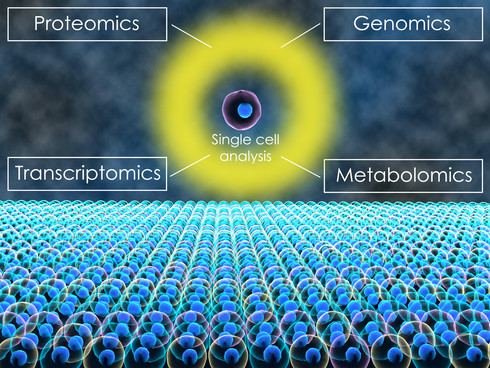
 Figure 2. Layered multi-omics data integration in organoid pharmacogenomics, correlating baseline mutations, transcriptional pathway signatures, and epigenetic states with continuous drug response metrics (IC50, GR50, AUC).
Deciphering the molecular determinants of organoid drug sensitivity requires a multi-tiered omics profiling strategy that captures biological variance across the central dogma of molecular biology.
1. Genomic Layer: Somatic Mutations, Copy Number Alterations (CNAs) & Mutational Signatures
- Technology: High-depth organoid whole-exome sequencing (WES) (>150× depth) or whole-genome sequencing (WGS).
- Biomarker Outputs: Identification of canonical oncogenic drivers (KRAS, TP53, PIK3CA, APC), focal amplifications (MYC, CCNE1, MET), deep deletions (CDKN2A, PTEN), microsatellite instability (MSI) status, and homologous recombination deficiency (HRD) mutational signatures (e.g., COSMIC Signature 3).
- Pharmacogenomic Utility: Establishes the hard-wired genetic baseline of the organoid biobank, enabling stratification of drug sensitivity based on baseline mutational landscape.
2. Transcriptomic Layer: Bulk mRNA-Seq & High-Throughput DRUG-Seq
- Technology: Deep poly(A) organoid mRNA sequencing services (30–50M reads) for baseline state characterization, complemented by high-throughput DRUG-seq profiling in 384-well microplates for perturbation response profiling.
- Biomarker Outputs: Gene expression levels, pathway activation scores (e.g., MAPK, PI3K/AKT/mTOR, Wnt/β-catenin, TGF-β), consensus molecular subtypes (CMS in colorectal cancer; basal-like vs. luminal in breast cancer), and early transcriptional perturbation signatures.
- Pharmacogenomic Utility: Gene expression signatures frequently demonstrate higher predictive power for drug sensitivity than mutational status alone, capturing functional pathway activation regardless of upstream genetic heterogeneity.
3. Single-Cell Transcriptomics: Subclonal Heterogeneity & Drug-Tolerant Persisters (DTPs)
- Technology: Organoid single-cell RNA sequencing (scRNA-seq) utilizing microfluidic droplet-based single-cell platforms.
- Biomarker Outputs: Identification of rare subclonal populations, pre-existing drug-tolerant persister (DTP) cell states, cancer stem cell (CSC) markers (LGR5, CD44, ALDH1A1), and dynamic trajectory / RNA velocity shifts following compound exposure.
- Pharmacogenomic Utility: Decouples bulk averaging effects to reveal whether drug resistance stems from the survival and expansion of a pre-existing resistant subclone or de novo transcriptional reprogramming under pharmacological pressure.
4. Epigenomics: DNA Methylation & Chromatin Accessibility
- Technology: Whole-genome bisulfite sequencing (WGBS), reduced representation bisulfite sequencing (RRBS), and ATAC-seq.
- Biomarker Outputs: CpG island methylator phenotype (CIMP), promoter hypermethylation of tumor suppressor genes (MLH1, MGMT, BRCA1), and genome-wide chromatin accessibility maps defining active enhancer and super-enhancer landscapes.
- Pharmacogenomic Utility: Identifies epigenetic silencing events that dictate drug sensitivity (e.g., MGMT promoter methylation predicting alkylating agent sensitivity in glioblastoma organoids).
3. Computational Integration: Linking Drug Sensitivity to Multi-Omics Data
 Figure 3. Bioinformatic and machine learning workflow for biomarker mining, combining dimensionality reduction, gene set variation analysis (GSVA), and regularized regression to identify predictive response signatures.
The primary analytical challenge in organoid pharmacogenomics lies in integrating continuous, non-linear drug response parameters with high-dimensional omics matrices (p >> n problem: tens of thousands of molecular features across tens to hundreds of organoid lines).
Quantitative Pharmacodynamic Metrics
To ensure reliable bioinformatic association, drug response must be quantified using standardized metrics:
- Area Under the Curve (AUC): Integrates overall response across all tested concentrations; lower AUC values denote higher overall drug sensitivity.
- Growth Rate Inhibition (GR50): Normalizes endpoint viability against baseline cell division rates, preventing slow-growing organoid lines from falsely appearing resistant.
- Maximal Efficacy (Emax / GRmax): Quantifies the maximum achievable cell killing at top concentrations, distinguishing partial cytostatic response from complete cytotoxicity.
Bioinformatic Modeling & Machine Learning Workflows
- Univariate Association & Differential Analysis:
- Genomic Associations: Fisher's exact tests or Mann-Whitney U tests comparing AUC/GR50 between wild-type and mutant organoid cohorts.
- Differential Gene Expression (DGE): Comparing baseline transcriptomes of extreme responders vs. non-responders using DESeq2 or EdgeR to identify candidate sensitivity genes.
- Gene Set & Pathway Enrichment:
- Gene Set Variation Analysis (GSVA) and Single-Sample GSEA (ssGSEA): Transform high-dimensional gene-level matrices into pathway-level enrichment scores, reducing feature complexity and improving statistical power.
- Weighted Gene Co-Expression Network Analysis (WGCNA): Identifies co-regulated gene modules highly correlated with drug sensitivity phenotypes.
- Multivariate Machine Learning Classifiers:
- Elastic Net Regularized Regression: Combines L1 (Lasso) and L2 (Ridge) penalties to select sparse, non-redundant biomarker feature sets while handling collinear gene networks.
- Random Forest & Gradient Boosting (XGBoost): Captures complex non-linear feature interactions and ranks biomarkers by feature importance (Gini impurity / SHAP values).
- Multi-Omics Factor Analysis (MOFA+): An unsupervised framework that integrates genomic, transcriptomic, and epigenetic data layers into shared latent factors, mapping multi-modal variance directly to drug sensitivity.
4. Deconvoluting Drug Resistance Mechanisms in Organoids
 Figure 4. Dissecting acquired drug resistance at single-cell resolution, tracing the selection of drug-tolerant persister (DTP) lineages and transcriptional reprogramming upon sustained pharmacological pressure.
Organoid biobanks provide an unprecedented functional system to model and deconvolve both intrinsic (de novo) and acquired resistance mechanisms under controlled laboratory conditions.
Major Resistance Paradigms Uncovered by Organoid Multi-Omics
- Bypass Pathway Activation & Epistatic Feedback:
Inhibition of a primary oncogenic kinase (e.g., EGFR or KRAS G12C) triggers rapid feedback release of receptor tyrosine kinases (MET, HER2, AXL) or upstream SHP2 phosphatase, restoring downstream ERK or AKT phosphorylation. This rapid transcriptomic upregulation of alternative RTK ligands within 12–24 hours is effectively captured via DRUG-seq profiling or targeted phosphoproteomics.
- Phenotypic Lineage Plasticity & EMT:
Carcinoma cells transition from an epithelial luminal state to a mesenchymal or neuroendocrine phenotype, losing dependence on the targeted lineage-specific transcription factors (e.g., AR in prostate cancer or ER in breast cancer). scRNA-seq and bulk RNA-seq reveal downregulation of epithelial markers (CDH1, EPCAM) and marked activation of EMT master regulators (SNAI1, ZEB1, VIM) or neuroendocrine signatures (SYP, CHGA).
- Drug Transporter & Efflux Pump Upregulation:
Overexpression of ATP-binding cassette (ABC) transporter superfamily members (e.g., ABCB1/MDR1, ABCG2/BCRP, ABCC1/MRP1) actively clears intracellular chemotherapeutics and targeted kinase inhibitors. This is identified through elevated baseline or drug-induced mRNA expression of specific ABC transporters and validated via functional fluorescent substrate retention assays.
- Metabolic Rewiring & Antioxidant Defense:
Resistant organoid clones upregulate lipid metabolism, oxidative phosphorylation (OXPHOS), or glutathione synthesis (SLC7A11/xCT system) to neutralize drug-induced reactive oxygen species (ROS) and ferroptosis. Integration of metabolomic profiling with scRNA-seq pinpoints resistant clusters enriched in lipid peroxidation defense and metabolic reprogramming pathways.
5. Structured Comparison & Decision Tables
Table 1: Multi-Omics Modalities for Organoid Biomarker Discovery
| Omics Modality | Primary Profiling Technologies | Key Biomarker Features Extracted | Biomarker Resolution & Scope | Optimal Application in Drug Discovery |
|---|---|---|---|---|
| Genomics | Whole-Exome Sequencing (WES), Targeted Panels | Somatic SNVs, indels, focal CNAs, MSI, HRD mutational signatures | High stability; binary/categorical genetic drivers | Patient stratification; defining hard-wired genetic inclusion criteria |
| Transcriptomics (Bulk) | Deep mRNA-Seq, Poly(A) RNA-Seq | Absolute/relative gene expression, fusion transcripts, pathway activity scores | Continuous; captures dynamic pathway states | Consensus molecular subtyping; broad predictive gene signature derivation |
| Perturbation Transcriptomics | 384-Well DRUG-seq, 3' mRNA Counting | Early drug-induced transcriptional response, off-target signatures | High-throughput; dynamic perturbation landscape | Compound MoA deconvolution; high-throughput secondary hit profiling |
| Single-Cell Omics | Droplet-based scRNA-seq, CITE-seq | Subclonal diversity, DTP persister states, lineage trajectory, cell-cell signaling | Single-cell resolution; reveals intra-organoid heterogeneity | Dissecting acquired resistance; identifying rare drug-tolerant populations |
| Epigenomics | ATAC-seq, WGBS, RRBS | Chromatin accessibility peaks, CpG promoter methylation, enhancer activity | Regulatory; reflects phenotypic memory and plasticity | Biomarkers for epigenetic therapies (HDACi, DNMTi); non-mutational resistance |
Table 2: Computational Approaches for Linking Organoid Phenotype to Multi-Omics
| Analytical Framework | Input Data Types | Output Biomarker Deliverable | Computational Strengths | Limitations & Considerations |
|---|---|---|---|---|
| Elastic Net Regression | Bulk RNA-seq + Continuous AUC/GR50 | Sparse multi-gene predictive linear model with regression weights | Robust against multicollinearity; automated feature selection | Assumes linear relationships; does not capture higher-order non-linearities |
| Random Forest / XGBoost | Multi-modal (WES mutations + RNA-seq + CNAs) | Ranked feature importance list; non-linear response classifier | Handles heterogeneous data types; captures epistatic gene interactions | Prone to overfitting on small cohorts (N < 30 organoid lines) |
| WGCNA + Module-Trait Correlation | High-throughput RNA-seq + Drug Sensitivity | Co-expressed gene modules linked to drug response phenotypes | Biological interpretability; reduces thousands of genes to cohesive functional modules | Does not yield a direct mathematical predictive equation |
| Multi-Omics Factor Analysis (MOFA+) | Layered Genomics + Transcriptomics + Epigenomics | Latent factor decomposition explaining shared and modality-specific variance | Unsupervised integration; can accommodate missing observations across omics layers | Requires subsequent downstream modeling to link latent factors to drug phenotypes |
Table 3: Characteristic Organoid Drug Resistance Mechanisms & Multi-Omics Biomarkers
| Resistance Mechanism | Primary Therapeutic Classes Affected | Indicative Multi-Omics Biomarkers | Representative Organoid Research Context | Example Combination Research Strategy |
|---|---|---|---|---|
| Receptor Tyrosine Kinase (RTK) Bypass | EGFR, BRAF, MEK, and KRAS G12C inhibitors | Upregulation of MET, HER2, AXL, FGFR1 mRNA or copy number gains | Colorectal, lung, and pancreatic ductal adenocarcinoma organoids | Dual MAPK + RTK/SHP2 inhibitor combinations |
| Drug-Tolerant Persister (DTP) Emergence | Targeted TKIs, platinum-based chemotherapies | Upregulation of GPX4, ALDH1A1, CD44, SOX2, and lipid metabolism genes | Non-small cell lung cancer, ovarian, and breast cancer organoids | Targeted TKI + GPX4/ferroptosis inducer or ALDH inhibitor |
| Drug Efflux Pump Hyperactivation | Anthracyclines, taxanes, topoisomerase inhibitors | High baseline or drug-induced expression of ABCB1 (MDR1), ABCG2, ABCC1 | Colorectal (irinotecan-resistant) and gastric cancer organoids | Chemotherapy + selective ABC transporter inhibitor or modified formulation |
| Lineage Plasticity & EMT Reprogramming | Endocrine therapies (AR/ER antagonists), Targeted TKIs | Loss of CDH1/EPCAM; elevation of VIM, ZEB1, SNAI2, SOX9, ASCL1 | Prostate adenocarcinoma, luminal breast, and EGFR-mutant NSCLC organoids | Lineage-directed agent + epigenetic modifier (e.g., EZH2i, LSD1i) |
6. Translational Validation Workflow: From in vitro Biomarker to Preclinical Translation
A robust biomarker discovered through organoid pharmacogenomics must undergo systematic multi-phase validation before being advanced into translational drug discovery programs.
Key Validation Milestones
- Isogenic Genetic Dissection: When a specific mutation or gene upregulation is nominated as a response biomarker, perform isogenic gene editing using CRISPR functional screening in patient-derived organoids to knock out or knock in the candidate gene. Comparing drug sensitivity in the isogenic pair confirms causal target dependence rather than associative passenger correlation.
- Mechanistic Pathway Deconvolution: Execute time-course perturbation profiling using DRUG-seq mechanism-of-action guide frameworks to demonstrate that pharmacological modulation specifically impacts downstream target gene networks in sensitive lines while leaving resistant lines unaltered.
- Cross-Platform Translation: Validate the identified biomarker signature across independent external datasets (e.g., GDSC/CCLE cell line databases, PDX encyclopedias, and retrospective clinical trial cohort transcriptomes) to ensure generalizability beyond organoid culture artifacts.
- Immune & Microenvironmental Integration: For immunomodulatory therapeutics or bispecific antibodies, validate biomarker candidates within complex tumor organoid-immune co-culture validation systems to assess how stromal and immune factors influence biomarker fidelity.
7. Frequently Asked Questions (FAQ)
- Q1. Why do transcriptomic signatures often outperform single gene mutations in predicting organoid drug response?
- Q2. How many organoid lines are required to discover statistically robust multi-omics biomarkers?
- Q3. What is the primary difference between baseline biomarkers and perturbation biomarkers?
- Q4. How does single-cell RNA sequencing differentiate between pre-existing and acquired drug resistance in organoids?
8. Comprehensive Biomedical Services & Solutions
CD Genomics supports organoid-based drug response and biomarker research with sequencing, multi-omics characterization, and bioinformatics workflows for oncology discovery and translational research:
- Organoid mRNA Sequencing Services: High-quality bulk and low-input transcriptomic profiling for baseline subtyping, pathway activation mapping, and predictive biomarker signature discovery.
- Organoid Whole-Exome Sequencing (WES): Comprehensive identification of somatic mutations, copy number variations, and mutational signatures across patient-derived organoid panels.
- Organoid Single-Cell RNA Sequencing (scRNA-seq): High-resolution single-cell transcriptomics to resolve subclonal heterogeneity, track drug-tolerant persister cells, and deconvolve resistance mechanisms.
- High-Throughput DRUG-seq Profiling Services: Cost-effective 384-well perturbation transcriptomics for rapid compound mechanism-of-action deconvolution and target engagement verification.
- Comprehensive Organoid Research Services: Multi-omics characterization and sequencing support for patient-derived organoid models, including genomic and transcriptomic profiling for research applications.
- Preclinical Biopharma Research Solutions: Integrated sequencing and multi-omics strategies that support drug discovery, mechanism-of-action research, biomarker investigation, and lead characterization.
Explore our technical guides on organoid qualification criteria and baseline QC and CRISPR functional screening in patient-derived organoids, or visit the Biomedical Genomics Learning Center for more protocols and study design resources.
References
- 1. Pan Y, Chen L, Hu Y, Chang J, Xu X, Xu S, et al. Colorectal Cancer Organoid Model Reveals the Mechanisms of Irinotecan Resistance at Single-Cell Resolution. Cancer Med. 2026;15(2):e71550. DOI: 10.1002/cam4.71550
- 2. Smabers LP, Wensink E, Verissimo CS, Koedoot E, Pitsa KC, Huismans MA, et al. Organoids as a biomarker for personalized treatment in metastatic colorectal cancer: drug screen optimization and correlation with patient response. J Exp Clin Cancer Res. 2024;43(1):61. DOI: 10.1186/s13046-024-02980-6
- 3. van Renterghem AWJ, van de Haar J, Voest EE. Functional precision oncology using patient-derived assays: bridging genotype and phenotype. Nat Rev Clin Oncol. 2023;20(5):305-317. DOI: 10.1038/s41571-023-00745-2
- 4. Jaaks P, Coker EA, Vis DJ, Edwards O, Carpenter EF, Leto SM, et al. Effective drug combinations in breast, colon and pancreatic cancer cells. Nature. 2022;603(7899):166-173. DOI: 10.1038/s41586-022-04437-2
- 5. Grossman JE, Muthuswamy L, Huang L, et al. Organoid Sensitivity Correlates with Therapeutic Response in Patients with Pancreatic Cancer. Clin Cancer Res. 2022;28(4):708-718. DOI: 10.1158/1078-0432.CCR-20-4116
- 6. Letai A, Bhola P, Welm AL. Functional precision oncology: Testing tumors with drugs to identify vulnerabilities and novel combinations. Cancer Cell. 2022;40(1):26-35. DOI: 10.1016/j.ccell.2021.12.004
- 7. Wensink GE, Elias SG, Mullenders J, Koopman M, Boj SF, Kranenburg OW, et al. Patient-derived organoids as a predictive biomarker for treatment response in cancer patients: a systematic review and meta-analysis. NPJ Precis Oncol. 2021;5(1):30. DOI: 10.1038/s41698-021-00168-1
- 8. Tiriac H, Belleau P, Engle DD, Plenker D, Deschênes A, Somerville TDD, et al. Organoid Profiling Identifies Common Responders to Chemotherapy in Pancreatic Cancer. Cancer Discov. 2018;8(9):1112-1129. DOI: 10.1158/2159-8290.CD-18-0349
Regulatory Notice: All organoid screening, genomic sequencing, and bioinformatic profiling services provided by CD Genomics are strictly for Research Use Only (RUO). These services and resulting data are not intended, validated, or certified for clinical diagnosis, patient prognosis, or personalized therapeutic decision-making.